
GLP-1 Injection Site Rotation Guide: Where to Inject and How to Rotate
Learn how to rotate GLP-1 injection sites properly using the quadrant system, weekly schedules, and visual tracking to prevent lipohypertrophy and improve medication absorption.
Published 2026-03-01Updated 2026-03-2810 min read
By Ben — Builder of DoneDose, software engineer and peptide user
GLP-1 injection site rotation is one of those things that sounds like a minor detail until it isn't. If you're taking semaglutide, tirzepatide, or another weekly GLP-1 receptor agonist, you've probably spent a lot of mental energy on dosing schedules, titration timelines, and side effect management. But where you put the needle each week — and whether you're rotating properly — quietly shapes how well your medication absorbs, how your skin holds up over months or years, and how comfortable (or uncomfortable) each injection feels.
I've seen people do everything else right and still run into problems because they defaulted to the same spot on their stomach every single week. It's understandable. You find a place that doesn't hurt much, it becomes muscle memory, and you stop thinking about it. But your tissue doesn't stop keeping score. Proper rotation isn't complicated, and once you build it into your routine, it's the kind of thing that protects you silently in the background.
This guide covers everything you need to rotate with confidence — the approved sites, a practical system for tracking your pattern, and what to watch for if things start to go wrong.
Why GLP-1 Injection Site Rotation Actually Matters
Let's start with the reason this matters at all, because "rotate your sites" can feel like one of those instructions you nod at and then ignore. There are two concrete problems that develop when you inject in the same spot repeatedly.
Lipohypertrophy Changes Your Absorption
When you inject into the same small area week after week, the subcutaneous fat tissue can respond by forming firm, rubbery lumps called lipohypertrophy. Studies published in Diabetes Research and Clinical Practice estimate that lipohypertrophy affects up to 30-40% of people who inject regularly, and the rates are directly tied to poor rotation habits.
Here's why that's more than cosmetic: lipohypertrophic tissue doesn't absorb medication the same way healthy tissue does. Injection into a hardened area can lead to erratic absorption — sometimes faster, sometimes slower, sometimes incomplete. For a medication like semaglutide where steady, predictable blood levels matter for both efficacy and side effect management, that inconsistency can undermine everything.
The irony of lipohypertrophy is that the damaged tissue often feels less sensitive, which makes people more likely to keep injecting there. Comfort becomes the enemy of effectiveness.
Tissue Needs Time to Recover
Even without visible lipohypertrophy, subcutaneous tissue needs recovery time between injections. Each needle creates a tiny tract of micro-trauma. Given enough time — and GLP-1s are weekly, so you have plenty — the tissue heals completely. But stack injections too close together, and you're compounding minor insults into a pattern that eventually shows up as discomfort, bruising, or those telltale lumps.
Proper GLP-1 injection site rotation gives each area a multi-week rest period, which is more than enough for full recovery between uses.
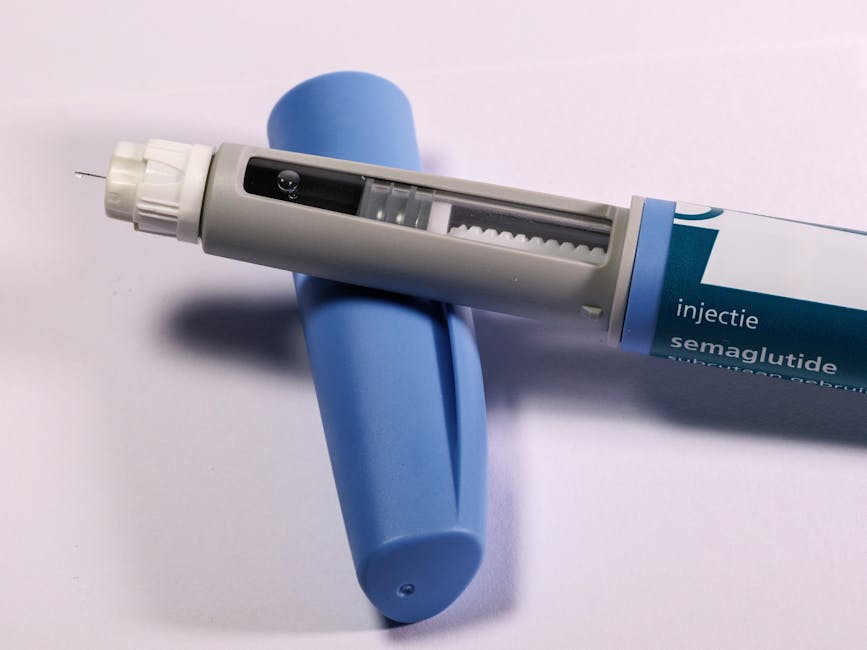
The Three Approved Injection Sites and How to Use Each One
GLP-1 medications like semaglutide (Ozempic, Wegovy) and tirzepatide (Mounjaro, Zepbound) are subcutaneous injections, meaning they go into the fatty tissue just below the skin. There are three FDA-approved body regions for these injections, and each one has its own advantages and quirks. For Ozempic-specific site guidance, our Ozempic injection sites guide covers the details for that particular pen device.
Abdomen
The abdomen is the most popular choice for good reason. It typically has a generous layer of subcutaneous fat, it's easy to reach, and most people find it the least painful. The key rule: stay at least two inches away from your navel in every direction. The tissue immediately around the navel is denser and less ideal for absorption.
I always recommend the abdomen as a starting point for people new to self-injection. The large surface area gives you plenty of room to rotate within the region, and the visual feedback is straightforward — you can see exactly where you're injecting.
Front of the Thighs
The front and outer portions of the thigh offer another large, accessible site. This area works well for people who find their abdomen too sensitive or who don't have much abdominal fat. The thigh is also an easy site to use if you're sitting down, which some people prefer for stability.
One thing to note: avoid the inner thigh and the area directly over the kneecap. You want the fleshy, muscular-but-padded zone roughly in the middle third of the front thigh.
Back of the Upper Arm
The upper arm is a perfectly valid injection site, but it comes with a practical limitation: it's hard to reach on your own. If you have a partner or caregiver who can help, the back of the upper arm — the soft, slightly fatty area between the shoulder and elbow — absorbs well and gives you a third rotation zone. If you're self-injecting solo, the abdomen and thighs alone provide more than enough surface area for a solid rotation pattern.
| Injection Site | Ease of Self-Injection | Pain Sensitivity | Fat Layer Consistency | Best For |
|---|---|---|---|---|
| Abdomen | Very easy | Generally low | Usually ample | Most people; the default starting site |
| Front of thigh | Easy | Moderate | Variable | People with less abdominal fat |
| Back of upper arm | Difficult alone | Low to moderate | Moderate | Those with a caregiver or injection partner |
Don't chase the "perfect" site. The best injection site is the one you can reach comfortably, rotate consistently, and tolerate well. For most people on weekly GLP-1s, the abdomen and thighs together provide more rotation room than you'll ever need.
If you're also tracking what to log alongside your injection site, our guide on what to track when taking GLP-1 medications weekly covers the full picture — timing, symptoms, and the data points that actually matter for your provider conversations.
The Quadrant System: A Smarter Way to Rotate
Knowing which body regions are approved is step one. The quadrant system turns that knowledge into a rotation pattern you can follow without thinking too hard about it.
How the Quadrant System Works
Take your preferred injection region — let's use the abdomen as the example — and mentally divide it into four zones:
- Upper left quadrant — left side of the abdomen, above the navel line
- Upper right quadrant — right side of the abdomen, above the navel line
- Lower left quadrant — left side, below the navel line
- Lower right quadrant — right side, below the navel line
Each week, you move to the next quadrant in a clockwise (or counterclockwise — pick one and stick with it) pattern. After four weeks, you've cycled through all four quadrants and you start again. Each zone gets a full three-week rest between injections.

Expanding the Pattern Across Body Regions
If you want even more separation — or if one region needs a longer break — you can rotate across body regions in addition to within them. A simple version looks like this:
- Week 1: Abdomen, upper left quadrant
- Week 2: Right thigh
- Week 3: Abdomen, upper right quadrant
- Week 4: Left thigh
- Week 5: Abdomen, lower right quadrant
- Week 6: Right thigh
- Week 7: Abdomen, lower left quadrant
- Week 8: Left thigh
This gives each specific injection zone roughly two months of rest between uses. That's far more recovery time than you'd strictly need, but it's the kind of generous margin that prevents tissue problems from ever starting.
The best rotation system is the one you don't have to debate with yourself about. Pick a pattern, write it down, and follow it. Decision fatigue is the enemy of consistency.
Building a Weekly Rotation Schedule That Sticks
The quadrant system gives you a framework. Now you need a way to actually track it week over week so you don't gradually drift back to your comfort zone.
Why Memory Alone Doesn't Work
Here's the thing about weekly injections: seven days is just long enough to forget exactly where you injected last time. I've talked to people who were absolutely certain they'd been rotating perfectly, only to realize — when they started actually logging it — that they'd been hovering in the same two-inch radius for months.
Research on injection technique published in the World Journal of Diabetes found that structured site rotation education and tracking reduced lipohypertrophy rates significantly compared to verbal instruction alone. Memory is unreliable for this. You need a record.
The Minimum Viable Log
Your rotation log doesn't need to be elaborate. At minimum, each entry should capture:
- Date: When you injected
- Body region: Abdomen, thigh, or arm
- Specific zone: Which quadrant or area within the region
- Side: Left or right
- Any notes: Bruising, pain, lumps, or anything unusual
If you're already keeping a dose log — and if you're on a GLP-1, you should be — the injection site is just one more field. It takes five seconds to record and saves you from guessing next week.
For a deeper look at logging structure, our missed dose log template covers how to track gaps and catch-up doses alongside your rotation pattern.
How Done Dose's Visual Body Map Makes This Effortless
This is where I'll be direct: tracking GLP-1 injection site rotation on paper or in a notes app works, but it's clunky. You're writing "upper left abdomen" in a text field and hoping you interpret it the same way next week.
Done Dose built a visual body map specifically for this problem. When you log an injection, you tap the actual location on an anatomical diagram. The app remembers your history, shows you where you've been, and makes it visually obvious where you should go next. There's no ambiguity about "upper left" versus "lower left" — you can see the dot on the map.
It also flags when you're clustering too tightly in one area, which is exactly the kind of subtle drift that's invisible to memory but obvious to a visual record.

When Something Doesn't Look Right: Spotting Lipohypertrophy Early
Even with good rotation habits, it's worth knowing what to watch for. Catching lipohypertrophy early means you can adjust your pattern before absorption becomes compromised.
What Lipohypertrophy Looks and Feels Like
- Firm lumps: The hallmark sign. They feel like smooth, rubbery nodules under the skin — distinctly different from the surrounding tissue.
- Thickened patches: Sometimes it's not a discrete lump but a broader area that feels thicker or denser than usual.
- Visible swelling: In more advanced cases, the area may look puffy or raised compared to the surrounding skin.
- Reduced sensitivity: Paradoxically, lipohypertrophic tissue often hurts less, which is why people gravitate toward injecting there.
The Monthly Self-Check
I recommend a simple self-exam once a month. Run your fingers over your usual injection sites — abdomen, thighs, wherever you rotate through. Press gently. You're feeling for anything that wasn't there before: lumps, ridges, areas that feel different from the tissue a few inches away.
If you find something, don't panic. Lipohypertrophy is common, it's not dangerous in itself, and it often resolves over time once you stop injecting in that area. But do rotate away from it immediately, and mention it to your provider at your next visit.
The monthly self-check takes sixty seconds and can save you months of compromised absorption. It's the injection equivalent of checking your tire pressure — boring, fast, and quietly important.
When to Talk to Your Provider
Reach out sooner rather than later if you notice:
- Lumps that are growing or painful rather than stable and painless
- Unexplained changes in how your medication seems to work — increased side effects or reduced efficacy could signal absorption issues
- Skin changes at injection sites like persistent redness, warmth, or discoloration
- Any signs of infection — unusual pain, swelling, or discharge at an injection site
Your provider can examine the tissue, confirm whether it's lipohypertrophy or something else, and help you adjust your rotation plan if needed. If you're tracking your sites in an app like Done Dose, you can show them your full injection history in seconds — which makes the conversation much more productive than trying to reconstruct your pattern from memory.
For a broader look at how semaglutide and other GLP-1 medications work, including the clinical evidence behind them, our semaglutide evidence overview covers what the research actually shows.

Putting It All Together
GLP-1 injection site rotation isn't glamorous, and it's never going to be the thing you're most excited to think about on injection day. But it's one of those quiet fundamentals that separates people who have a smooth, sustainable experience from those who gradually develop complications they could have avoided.
The pattern is simple: pick your sites, divide them into quadrants, follow a predictable sequence, and log where you go each week. If you do those four things, you'll never have to worry about lipohypertrophy, erratic absorption, or that nagging feeling of "wait, where did I inject last time?"
Your tissue is doing its part to absorb your medication effectively. GLP-1 injection site rotation is how you do yours.
Done Dose was built for exactly this kind of tracking. The visual body map lets you tap your injection location on an anatomical diagram, automatically tracks your rotation history, and flags when you're clustering too closely in one area. Combined with dose logging, symptom tracking, and smart reminders, it turns your entire GLP-1 routine into a system you can actually maintain. Start tracking smarter at donedose.com