
The KLOW Protocol: Inside the Peptide Stack Everyone's Talking About
An evidence-grounded guide to the KLOW peptide protocol — BPC-157, TB-500, KPV, and GHK-Cu. What each ingredient does, what the science says, real risks, and how to track it.
Published 2026-03-01Updated 2026-03-0112 min read
By Ben — Builder of DoneDose, software engineer and peptide user
Medically reviewed by Robert Cauthorne, MD, on October 16, 2026.
Educational content only. This guide is not medical advice and does not replace care from a licensed clinician.
On this page
- What Is the KLOW Protocol, Exactly?
- How People Typically Use It
- Breaking Down the Four Ingredients
- BPC-157: The Recovery Peptide
- TB-500: The Cell Migration Signal
- KPV: The Anti-Inflammatory Tripeptide
- GHK-Cu: The Skin and Longevity Peptide
- What the Evidence Actually Supports — and Where It Falls Short
- What Has Preclinical Support
- What Has NOT Been Established
- The Regulatory Reality
- Real Risks You Should Know About
- Product Quality and Contamination
- Injection-Site Reactions
- Systemic Side Effects
- Unknown Long-Term Effects
- Interaction With Other Medications
- Why Tracking Matters More With Complex Protocols
- What to Track and Why
- Making an Informed Decision
- Before Starting
- During Your Protocol
- After Your Protocol
- The Bottom Line
If you've spent any time in peptide communities lately, you've almost certainly encountered the KLOW protocol. It shows up in Reddit threads, TikTok breakdowns, and clinic brochures alike — usually described as a single injection that covers recovery, inflammation, skin health, and anti-aging all at once. That's a bold set of promises for one vial, and it's exactly the kind of claim that deserves a closer look.
Here's the thing: KLOW isn't a pharmaceutical product with a standardized formulation. It's a community-coined label for a four-peptide blend that has taken on a life of its own. Some of those peptides have genuinely interesting preclinical data behind them. Others are operating almost entirely on anecdotal enthusiasm. And the combination itself? It has never been studied as a unified intervention in a single human clinical trial.
That doesn't mean there's nothing here. It means you need to know exactly what you're looking at — ingredient by ingredient, claim by claim — so you can make informed decisions rather than riding a hype cycle. Let's break it down.

What Is the KLOW Protocol, Exactly?
KLOW is a multi-peptide blend that typically combines four components in a single reconstituted vial:
- BPC-157 (Body Protection Compound-157) — usually 10 mg
- TB-500 (Thymosin Beta-4 fragment) — usually 10 mg
- KPV (Lysine-Proline-Valine tripeptide) — usually 10 mg
- GHK-Cu (Glycyl-L-Histidyl-L-Lysine with copper) — usually 50 mg
That totals roughly 80 mg per vial. The name "KLOW" is essentially a branding shorthand — if you've heard of the "GLOW" protocol (GHK-Cu + BPC-157 + TB-500), then KLOW is GLOW plus KPV. The "K" is for KPV.
How People Typically Use It
Most community protocols describe daily subcutaneous injections, often on a five-days-on, two-days-off schedule. Cycle lengths usually range from 8 to 12 weeks, with some extending to 16. The vial is reconstituted with bacteriostatic water — typically 3 to 4 mL — and injected in rotating sites: abdomen, outer thigh, or upper arm.
If you're juggling reconstitution math, injection-site rotation, and a five-on/two-off schedule, you're not managing a simple daily pill. You're running a protocol — and protocols need tracking systems.
For a deeper look at how BPC-157 and TB-500 function as individual peptides, see our BPC-157 + TB-500 stack guide. And for context on how KLOW relates to the GLOW blend, our GLOW protocol guide covers the ingredient overlap.
Breaking Down the Four Ingredients
The most honest way to evaluate KLOW is to look at each peptide on its own merits. The blend hasn't been studied as a combination, so the evidence lives at the ingredient level.
| Component | What It Is | Primary Research Focus | Evidence Level | FDA Status |
|---|---|---|---|---|
| BPC-157 | Synthetic fragment of a gastric protein | Tendon, ligament, and muscle repair; gut healing | Preclinical (animal models); one small human safety study | Category 2 — cannot be legally compounded |
| TB-500 | Synthetic version of thymosin beta-4 | Wound healing, angiogenesis, tissue repair | Preclinical; limited translational data | Category 2 — cannot be legally compounded |
| KPV | Tripeptide derived from alpha-MSH | Anti-inflammatory signaling, gut inflammation | Preclinical (strong in vitro and mouse models) | Not FDA-approved; research-only |
| GHK-Cu | Naturally occurring copper peptide | Collagen synthesis, wound healing, skin regeneration | Preclinical + limited clinical trials (topical) | Available in cosmetics; not approved as injectable therapeutic |
BPC-157: The Recovery Peptide
BPC-157 is probably the most discussed peptide in the recovery community. Derived from a protective protein found in gastric juice, it has shown tissue-repair activity in animal models — accelerating healing in tendons, ligaments, muscles, and gut lining. One small human study found it was well tolerated, but that's about as far as the clinical data goes.
The FDA has placed BPC-157 in Category 2 on its bulk drug substances list, meaning licensed compounding pharmacies cannot legally produce it for human use. The agency cites potential immunogenicity, manufacturing impurities, and insufficient human safety data.
TB-500: The Cell Migration Signal
TB-500 is a synthetic fragment of thymosin beta-4, a protein your body naturally produces. In preclinical research, it promotes angiogenesis (new blood vessel formation) and supports cell migration to injury sites. Community users often describe it as the "remodeling" piece of a recovery stack.
Like BPC-157, TB-500 sits in FDA Category 2. It has meaningful biological plausibility but limited human clinical evidence.
KPV: The Anti-Inflammatory Tripeptide
KPV is where KLOW diverges from the older GLOW formula. It's a tripeptide derived from alpha-melanocyte-stimulating hormone (alpha-MSH), and it has genuinely interesting preclinical data. Published research in Gastroenterology shows that KPV reduces intestinal inflammation in mouse models of colitis by inhibiting NF-kB signaling pathways — and it does so at nanomolar concentrations.
What's particularly notable is that KPV appears to work through an intracellular mechanism via the PepT1 transporter, potentially independent of melanocortin receptor signaling. That's a meaningful distinction in inflammation research.
KPV has some of the more rigorous preclinical data of the four KLOW ingredients. But "rigorous preclinical" and "proven in humans" are very different sentences.
GHK-Cu: The Skin and Longevity Peptide
GHK-Cu is the largest component in the blend by weight and arguably has the most mature evidence base. It's a naturally occurring peptide — present in your blood plasma at around 200 ng/mL at age 20, declining to about 80 ng/mL by age 60. That natural decline is part of the anti-aging narrative around it.
Published research shows GHK-Cu can stimulate collagen and elastin production, modulate gene expression across thousands of genes, and reduce pro-inflammatory cytokines. A randomized, double-blind clinical trial found that topical GHK-Cu reduced wrinkle volume by 31.6% over eight weeks. However, most of that clinical data involves topical application, not subcutaneous injection — an important distinction that often gets lost in community discussions.
What the Evidence Actually Supports — and Where It Falls Short
Let's be direct about the evidence landscape. There are things we can say with reasonable confidence, and there are areas where the science simply hasn't caught up to the enthusiasm.
What Has Preclinical Support
- Tissue repair signaling — BPC-157 and TB-500 both show consistent wound-healing and tissue-repair effects in animal models.
- Anti-inflammatory activity — KPV demonstrates reproducible anti-inflammatory effects in cell culture and mouse models of gut inflammation.
- Collagen stimulation — GHK-Cu has both preclinical and limited clinical evidence supporting its role in skin regeneration and collagen synthesis.
- Biological plausibility for the combination — each peptide targets a different pathway, which is the theoretical basis for combining them.
What Has NOT Been Established
- The four-peptide combination has never been studied together in humans. No clinical trial has evaluated the KLOW blend as a unified intervention.
- Optimal dosing for the combination is unknown. Community protocols are based on individual peptide dosing research, extrapolated to the blend.
- Long-term safety of repeated subcutaneous injection is uncharacterized. Most safety data on GHK-Cu is topical. Most data on KPV is oral or in vitro.
- Interaction effects between the four peptides are unstudied. Synergy is assumed, not demonstrated.
The word "synergy" appears constantly in KLOW marketing. But synergy is a testable hypothesis, not a marketing feature. Until someone runs the study, it remains an assumption.
The Regulatory Reality
This matters whether you like it or not. The FDA has placed BPC-157 and TB-500 in Category 2 — substances with safety concerns that cannot be legally compounded by 503A pharmacies for human use. In 2024, Tailor Made Compounding LLC pleaded guilty and forfeited $1.79 million for distributing BPC-157 and other unapproved drugs.
KPV and GHK-Cu currently have a less restrictive regulatory posture, but neither is FDA-approved as an injectable therapeutic. GHK-Cu is widely used in topical cosmetics, which is a different regulatory category entirely.
What this means practically: if you're sourcing KLOW, you're likely getting it from a research peptide supplier, not a licensed pharmacy. That brings its own set of risks — contamination, mislabeling, and dosing inaccuracy among them. Testing by BTLabs has found that at least 20% of unapproved peptides tested since late 2024 were mislabeled.
Real Risks You Should Know About
Let's talk about the risks with the same specificity we gave the potential benefits.
Product Quality and Contamination
This is the single biggest practical risk. Because KLOW components are unregulated research compounds, what's in the vial may not match what's on the label. Contamination with bacterial endotoxins, heavy metals, or incorrect peptide sequences is a documented concern across the research peptide market.
Injection-Site Reactions
Redness, swelling, and localized irritation at the injection site are the most commonly reported side effects. These are generally transient, but they underscore the importance of proper injection technique and site rotation. Our guide to combining oral and injectable medication tracking covers rotation best practices.
Systemic Side Effects
Community reports mention occasional nausea (possibly related to BPC-157's gastric activity), fatigue, temporary joint discomfort during what users describe as "tissue remodeling," and rare pigmentation changes potentially linked to KPV's melanocortin pathway origin.
Unknown Long-Term Effects
None of these peptides have been studied for chronic use in humans at the doses used in community protocols. We simply don't know what happens after months or years of repeated injection.
Interaction With Other Medications
If you're taking prescription medications — particularly immunosuppressants, anti-inflammatories, or anticoagulants — the interaction profile with KLOW components is completely uncharacterized. This is a conversation you need to have with a clinician, full stop.
Why Tracking Matters More With Complex Protocols
Here's where this gets practical. A protocol like KLOW isn't a once-daily pill. It involves:
- Reconstitution — mixing lyophilized powder with bacteriostatic water at the correct ratio
- Daily dosing — typically subcutaneous, with precise volume calculations
- Cycling — five days on, two days off, across an 8-to-16-week window
- Site rotation — systematically alternating injection locations to avoid lipohypertrophy
- Side-effect monitoring — logging reactions, energy changes, and any concerning symptoms
- Storage management — refrigerating reconstituted vials and using them within 14 to 28 days
That's a lot of moving parts, and each one matters. Miss a rotation and you risk tissue damage at a single site. Lose track of your reconstitution date and you might inject degraded peptide. Forget to note a side effect and you lose the data you'd need to make an informed decision about continuing.
What to Track and Why
If you're going to run a protocol like this, treat it like the experiment it is. That means logging:
- Date and time of each dose — consistency matters for any protocol evaluation
- Injection site used — building a rotation history prevents overuse of any single area
- Dose volume — especially important if you're titrating up from a lower starting dose
- Physical responses — injection-site reactions, energy levels, sleep quality, digestive changes
- Mood and cognitive notes — some users report changes they attribute to reduced inflammation
- Vial reconstitution date — so you know when to discard and reconstitute fresh
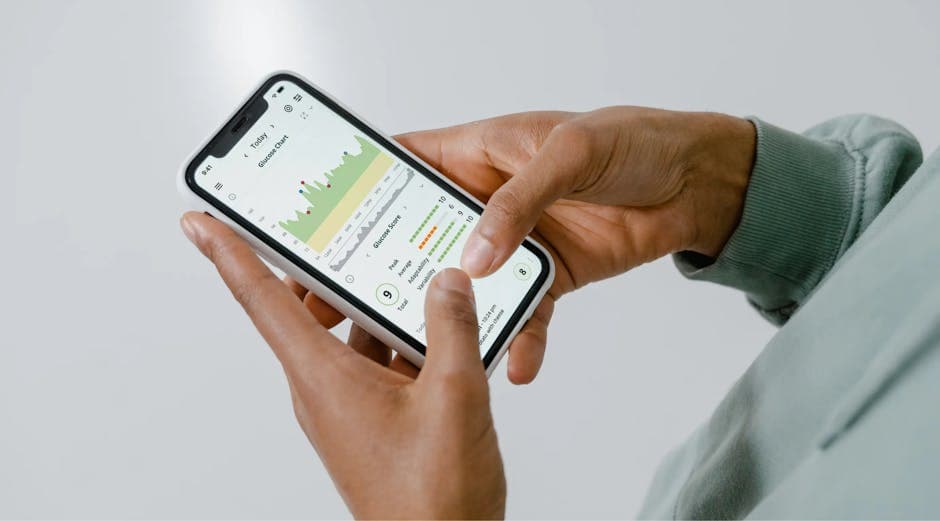
A paper log works, but it doesn't send reminders, track rotation patterns, or let you spot trends over weeks. That's where purpose-built tracking comes in.
If you wouldn't run a training program without logging your sets, you shouldn't run a peptide protocol without logging your doses.
For a structured approach to building a tracking habit, our medication schedule template is a solid starting point — and if you're mixing injectables with oral supplements (as many peptide users do), the oral and injectable tracking guide covers how to keep everything organized in one system.
Making an Informed Decision
If you've read this far, you're already ahead of most people diving into the KLOW protocol. You know the ingredients, you've seen the evidence gaps, and you understand the risks. Here's how to put that knowledge to work:
Before Starting
- Talk to a clinician. Ideally one who understands peptides and won't dismiss you, but also won't just rubber-stamp whatever you want to do.
- Verify your source. Ask for third-party certificates of analysis (COAs). If a supplier can't or won't provide them, walk away.
- Get baseline bloodwork. At minimum: CBC, CMP, inflammatory markers (CRP, ESR), and liver/kidney function. You need a before picture to evaluate the after.
- Start with individual peptides if you're new. Running a four-peptide blend as your first protocol makes it impossible to identify which component is helping or causing issues.
During Your Protocol
- Track everything. Doses, sites, side effects, subjective responses. Use a tracking app that supports injectable medications and site rotation.
- Respect the cycle. Don't extend indefinitely without reassessment. The 8-to-12-week window exists for a reason — even if that reason is "nobody knows what happens beyond that."
- Watch for red flags. Persistent injection-site reactions, unexplained fatigue, mood changes, or any acute symptom should prompt a pause and a conversation with your provider.
After Your Protocol
- Repeat bloodwork. Compare to your baseline. Look for changes in inflammatory markers, liver enzymes, and kidney function.
- Review your tracking data. What patterns emerged? Did your logged responses correlate with your goals?
- Be honest about outcomes. Confirmation bias is powerful. Your tracking log is your defense against it.

The Bottom Line
The KLOW protocol sits in a space that's genuinely fascinating and genuinely uncertain. Each of its four components — BPC-157, TB-500, KPV, and GHK-Cu — has preclinical data that warrants continued research interest. GHK-Cu has limited clinical data. KPV has strong mechanistic work. BPC-157 and TB-500 have extensive animal-model evidence.
But the blend itself is unstudied in humans, two of its ingredients can't be legally compounded, and the products available are unregulated research compounds with documented quality concerns. That's the full picture, and it's the one you should be making decisions from.
If you choose to proceed, do it with eyes open: work with a clinician, verify your sources, get bloodwork, and — above all — track what you're doing with the same rigor you'd bring to any experiment on your own body.
Done Dose is built for exactly this kind of complexity. It handles injectable medications with site rotation tracking, supports custom cycling schedules, sends dose reminders on your timeline, and gives you a clean log of everything you've taken — so you always have the data you need, whether you're evaluating a protocol or sharing information with your provider. Download it free at https://www.donedose.com.