
How to Store Peptides So They Actually Stay Potent
Learn how to store peptides properly — lyophilized and reconstituted — including temperature requirements, light exposure, bacteriostatic water handling, shelf life, and travel tips.
Published 2026-03-01Updated 2026-03-2812 min read
By Ben — Builder of DoneDose, software engineer and peptide user
This page has not been clinically reviewed.
Educational content only. This guide is not medical advice and does not replace care from a licensed clinician.
On this page
- Lyophilized vs. reconstituted: two very different storage profiles
- Temperature requirements and where to store what
- Bacteriostatic water, sterile water, and why it matters
- Light exposure, oxidation, and protecting peptide integrity
- Shelf life after reconstitution: what the timelines really look like
- Traveling with peptides: keeping the cold chain intact
- Tracking expiration dates and building a storage routine
- The bottom line
You can source the highest-purity peptide on the market, follow your protocol to the letter, and still end up with a degraded, ineffective compound — all because of how you stored it. Peptide storage isn't a minor detail. It's foundational. Temperature swings, light exposure, contamination from improper reconstitution — any one of these can quietly destroy what you're working with, and you won't necessarily know it happened until your results stop making sense.
Whether you're managing a single reconstituted vial in your refrigerator or building out a longer-term supply of lyophilized peptides, the storage basics are the same: control temperature, limit light, maintain sterility, and track your timelines. This guide walks through all of it so you can handle your peptides with the care they actually require.
Lyophilized vs. reconstituted: two very different storage profiles
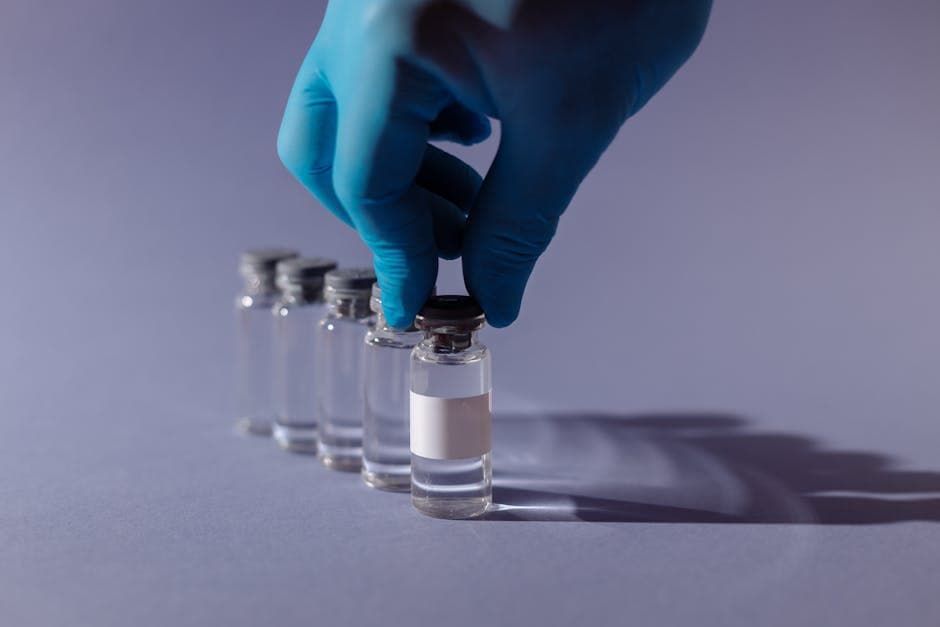
The first thing to understand is that a peptide's storage needs change dramatically once you add liquid to it. This distinction between lyophilized (freeze-dried powder) and reconstituted (mixed with solution) peptides is the single most important concept in peptide storage.
Lyophilized peptides are remarkably stable. The freeze-drying process removes water, which is the primary driver of degradation in peptide compounds. Without water present, most chemical breakdown pathways — hydrolysis, oxidation, aggregation — slow to a crawl. A properly sealed vial of lyophilized peptide stored in a freezer can remain viable for months or even years.
Reconstituted peptides are a different story entirely. The moment you introduce bacteriostatic water (or any solvent), you restart the clock on degradation. The peptide is now in solution, exposed to all the instability factors that lyophilization was designed to prevent. From this point forward, refrigeration isn't optional — it's mandatory — and your window of usability shrinks from months to weeks.
Key principle: Keep peptides in lyophilized form as long as possible. Only reconstitute what you'll use within the next few weeks.
This is where most storage mistakes happen. People reconstitute their entire supply at once for convenience, then watch potency fade before they can use it all. Reconstitute one vial at a time unless your protocol requires otherwise.
Temperature requirements and where to store what
Temperature control is the backbone of peptide preservation. Here's what the science and manufacturer guidance generally recommend for each peptide state:
| Peptide State | Recommended Temperature | Storage Location | Expected Stability |
|---|---|---|---|
| Lyophilized (sealed, short-term) | 2–8°C (36–46°F) | Refrigerator | 6–12 months |
| Lyophilized (sealed, long-term) | -20°C (-4°F) | Freezer | 1–2+ years |
| Reconstituted (bacteriostatic water) | 2–8°C (36–46°F) | Refrigerator | 14–28 days |
| Reconstituted (sterile water) | 2–8°C (36–46°F) | Refrigerator | Use within 24 hours |
A few things to note about this table. First, "expected stability" ranges assume proper handling — sealed vials, no contamination, consistent temperature. Real-world conditions can shorten these windows. Second, the difference between bacteriostatic water and sterile water shelf life is dramatic, and that matters for how you plan your protocol.
Avoid the refrigerator door. Temperature fluctuates significantly every time you open the fridge. Store peptide vials toward the back of a shelf where temperature stays most consistent. A dedicated mini-fridge set to 3–5°C is even better.
For freezer storage of lyophilized peptides, a standard kitchen freezer at -20°C works fine. You don't need a laboratory-grade ultra-low freezer for most research peptides. Just make sure the vials are sealed properly and stored in a secondary container (a small box or zip-lock bag) to prevent moisture from condensing on the vial when you eventually remove it.

Bacteriostatic water, sterile water, and why it matters
The solvent you use for reconstitution has a direct impact on how long your peptide stays usable and safe.
Bacteriostatic water contains 0.9% benzyl alcohol as a preservative. This preservative inhibits microbial growth, which is critically important for multi-dose vials — meaning any vial you'll draw from more than once. Every time a needle punctures the rubber stopper, there's a small contamination risk. Bacteriostatic water gives you a meaningful safety margin across multiple draws over days or weeks.
Sterile water is exactly what it sounds like — purified water with nothing added. It's appropriate for single-use preparations that are drawn and administered immediately. It is not appropriate for multi-dose use because there's nothing preventing microbial growth once the vial is opened.
Here's the practical rule: if your protocol involves drawing multiple doses from a single reconstituted vial over a period of days or weeks, use bacteriostatic water. There isn't really a good reason to use sterile water for multi-dose peptide vials.
Reconstitution technique matters too. When adding bacteriostatic water to a lyophilized peptide, aim the stream against the glass wall of the vial and let it run down gently. Don't blast the powder directly — this can cause frothing and physical degradation of the peptide structure. Swirl gently to mix. Never shake.
For a deeper look at tracking multi-dose injectable protocols alongside other medications, the guide on combining oral and injectable medication tracking walks through building a unified system for mixed routines.
Light exposure, oxidation, and protecting peptide integrity
Light is one of the most underestimated threats to peptide stability. UV radiation and even strong visible light can trigger photo-oxidation, which breaks down amino acid residues — particularly tryptophan, tyrosine, and methionine — and accelerates structural degradation.
This isn't theoretical. Studies on peptide stability consistently show that light-exposed samples degrade faster than identical samples stored in the dark, even when all other conditions are controlled.
Practical protection steps:
- Use amber vials when available. Amber glass filters out the most damaging wavelengths.
- Wrap clear vials in aluminum foil. It's simple and effective. A single layer of foil blocks essentially all light transmission.
- Store inside a closed container. A small opaque box inside your refrigerator adds another layer of protection.
- Never leave vials on a countertop near windows or under bright overhead lights, even temporarily during preparation.
Some people in peptide communities treat light protection as optional or overly cautious. It isn't. If you're investing the time and money to source quality compounds and follow a careful protocol, spending thirty seconds wrapping a vial in foil is the easiest insurance you'll ever buy.
Shelf life after reconstitution: what the timelines really look like
This is where I see the most confusion, and where mistakes have the most practical consequences.
Once reconstituted with bacteriostatic water and stored at 2–8°C, most peptides remain reasonably stable for 14 to 28 days. Some manufacturers specify tighter windows; some community reports suggest longer viability. The conservative approach is to plan your protocol so that you use a reconstituted vial within three weeks.
Factors that shorten shelf life after reconstitution:
- Temperature excursions (vial left out of the fridge, even briefly)
- Multiple needle punctures increasing contamination risk
- Using sterile water instead of bacteriostatic water
- Light exposure during storage
- Contamination from unclean reconstitution technique
Factors that can help maximize shelf life:
- Consistent refrigeration at 3–5°C
- Minimal needle punctures (draw efficiently, don't re-enter the vial unnecessarily)
- Light protection (foil wrap or amber vial)
- Clean reconstitution with proper aseptic technique
- Accurate date labeling on every vial
Label every vial with the reconstitution date. This sounds obvious, but it's the single most commonly skipped step. Write the date on the vial with a permanent marker or use a small adhesive label. When you're managing multiple compounds, memory alone isn't reliable enough.
For people running protocols that involve multiple peptides — like a BPC-157 and TB-500 recovery stack or an NAD+ protocol — tracking reconstitution dates and expiration windows across several vials becomes genuinely complex. A dedicated peptide tracker app can handle this bookkeeping far more reliably than mental notes or scattered spreadsheets.
Traveling with peptides: keeping the cold chain intact
Traveling doesn't mean you have to pause your protocol, but it does mean planning ahead. The cold chain — the unbroken sequence of proper temperature storage — is your priority.
For reconstituted peptides (must stay cold):
- Use a small insulated travel case with gel ice packs. Medical-grade insulin travel cases work well and are widely available.
- Pre-chill the case before packing.
- Avoid placing ice packs in direct contact with the vial — a thin cloth or paper towel barrier prevents accidental freezing.
- For flights, keep peptides in your carry-on. Checked luggage cargo holds experience extreme temperature swings.
- At your destination, get vials into a refrigerator as soon as possible.
For lyophilized peptides (more forgiving):
- Room temperature is acceptable for short trips (a few days).
- Keep vials in a dark, padded container to prevent light exposure and physical damage.
- Avoid leaving them in a hot car, direct sunlight, or in luggage that sits on an airport tarmac.
Documentation considerations:
- Carry any relevant prescriptions or provider documentation.
- Keep peptides in original labeled packaging when possible.
- For international travel, research destination country regulations in advance.
The key insight for travel is that reconstituted peptides are the fragile ones. Lyophilized peptides are significantly more forgiving and can handle short periods at room temperature without meaningful degradation. Plan your travel reconstitution timing around this — if possible, bring lyophilized vials and reconstitute at your destination.
Tracking expiration dates and building a storage routine
If you're managing a single peptide vial, tracking dates in your head might work. But most people in the peptide community are running protocols that involve multiple compounds, staggered reconstitution dates, different shelf lives, and overlapping schedules. That complexity is where mistakes happen.
What to track for each vial:
- Compound name and concentration
- Reconstitution date
- Solvent used (bacteriostatic water vs. sterile water)
- Expected expiration date (reconstitution date + manufacturer-recommended window)
- Number of draws taken
- Storage location
Building the habit:
The easiest approach is to build storage checks into your existing dose routine. Every time you draw a dose, glance at the reconstitution date. Is the vial within its window? Does the solution look clear, or has it become cloudy or discolored? Any visible particulate matter means discard the vial — don't second-guess that one.
A medication schedule template can serve as the backbone for this tracking, especially if you're coordinating peptide doses alongside other medications in your protocol. The guide on choosing a reminder app also covers practical tool options for managing these schedules.
Signs a peptide may have degraded:
- Solution appears cloudy, hazy, or contains visible particles
- Color change from the original clear/slightly tinted solution
- Unusual odor
- Reconstituted peptide that was left at room temperature for extended periods
- Vial past the recommended post-reconstitution window
When in doubt, discard. A compromised peptide isn't just ineffective — depending on the degradation pathway, breakdown products could be unpredictable. The cost of a replacement vial is always worth the peace of mind.
The bottom line
Peptide storage isn't complicated, but it is unforgiving. The fundamentals — keep lyophilized peptides cold and dry, reconstitute only what you need, refrigerate immediately, protect from light, use bacteriostatic water for multi-dose vials, and track your dates — are straightforward once you build them into your routine. The hard part is consistency, especially when you're managing multiple compounds across an ongoing protocol.
The difference between someone who gets reliable results from their peptides and someone who doesn't often comes down to these storage basics more than any other variable. Treat storage as part of your protocol, not an afterthought.
Done Dose is built for people managing exactly this kind of complexity — multi-compound protocols where tracking dose timing, reconstitution dates, and expiration windows actually matters. Log doses, set reminders, track injection sites, and keep a clean history you can reference or share with your provider. One app, one source of truth.
Download it at donedose.com.