
How to Inject Mounjaro: Complete Pen Guide
Step-by-step Mounjaro pen instructions covering how to inject tirzepatide correctly, site selection, common mistakes, and digital tracking for consistent weekly dosing.
Published 2026-03-28Updated 2026-03-2810 min read
By Ben — Builder of DoneDose, software engineer and peptide user
If you've just picked up your first Mounjaro prescription, there's a good chance you're staring at the pen and wondering what exactly you're supposed to do with it. You're not alone. Understanding how to inject Mounjaro correctly is one of those things that feels overwhelming until you've done it once — then it becomes a 30-second routine you barely think about. But that first time matters. Getting the technique right from the start means better absorption, less bruising, and none of the "did I actually get the full dose?" anxiety that comes from a sloppy injection. This guide walks through the entire process: what the pen looks like, how it works, where to inject, and every common mistake I've seen people make.
Understanding the Mounjaro Pen
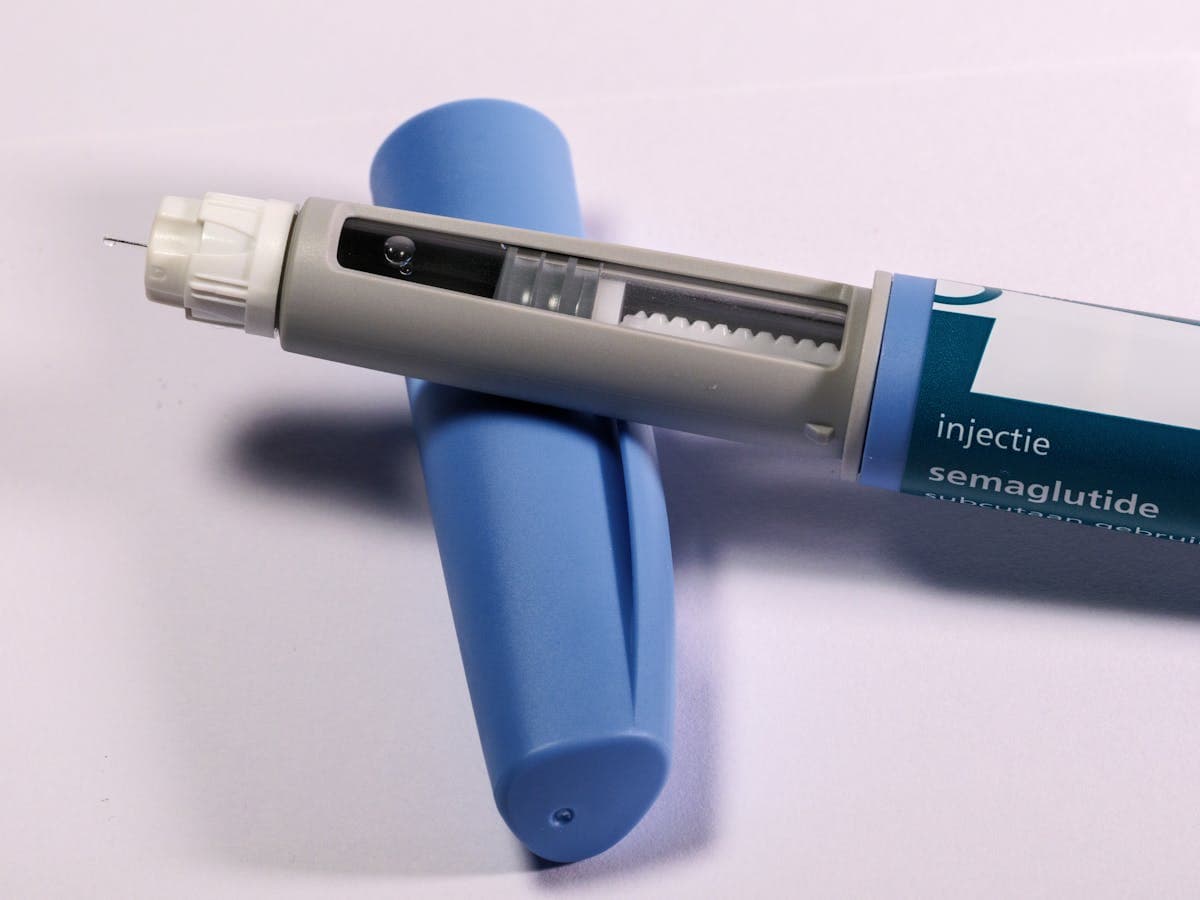
The Mounjaro pen is not like the Ozempic pen. This is an important distinction because a lot of injection advice online lumps all GLP-1 pens together, and the mechanisms are genuinely different. Mounjaro uses a single-dose autoinjector — there's no dial, no visible needle, and no multi-dose cartridge. Each pen contains exactly one dose of tirzepatide, and once you've used it, you dispose of the entire device.
Here's what you're working with:
- Gray base cap — covers the needle end. You'll remove this right before injecting.
- Clear base — the flat end that goes against your skin. Through the clear housing you can see the medication, which should be colorless to slightly yellow and free of particles.
- Purple injection button — located on top of the pen. You'll press and hold this to start the injection.
- Lock ring — a gray ring around the purple button that prevents accidental activation. You twist this off to unlock the pen.
- Dose indicator window — a small window that shows gray before injection and turns purple after a complete dose delivery.
The hidden-needle design is intentional. Eli Lilly designed the Mounjaro autoinjector specifically to reduce needle anxiety, and it works. You never see the needle at any point during the process. It deploys automatically when you press the button and retracts when you lift the pen away.
The Mounjaro pen is arguably the most user-friendly injectable delivery device in the GLP-1 class. No priming, no dialing, no exposed needle. If you've been anxious about self-injecting, this is about as low-barrier as it gets — the engineering genuinely removes most of the friction.
How to Inject Mounjaro: Step-by-Step
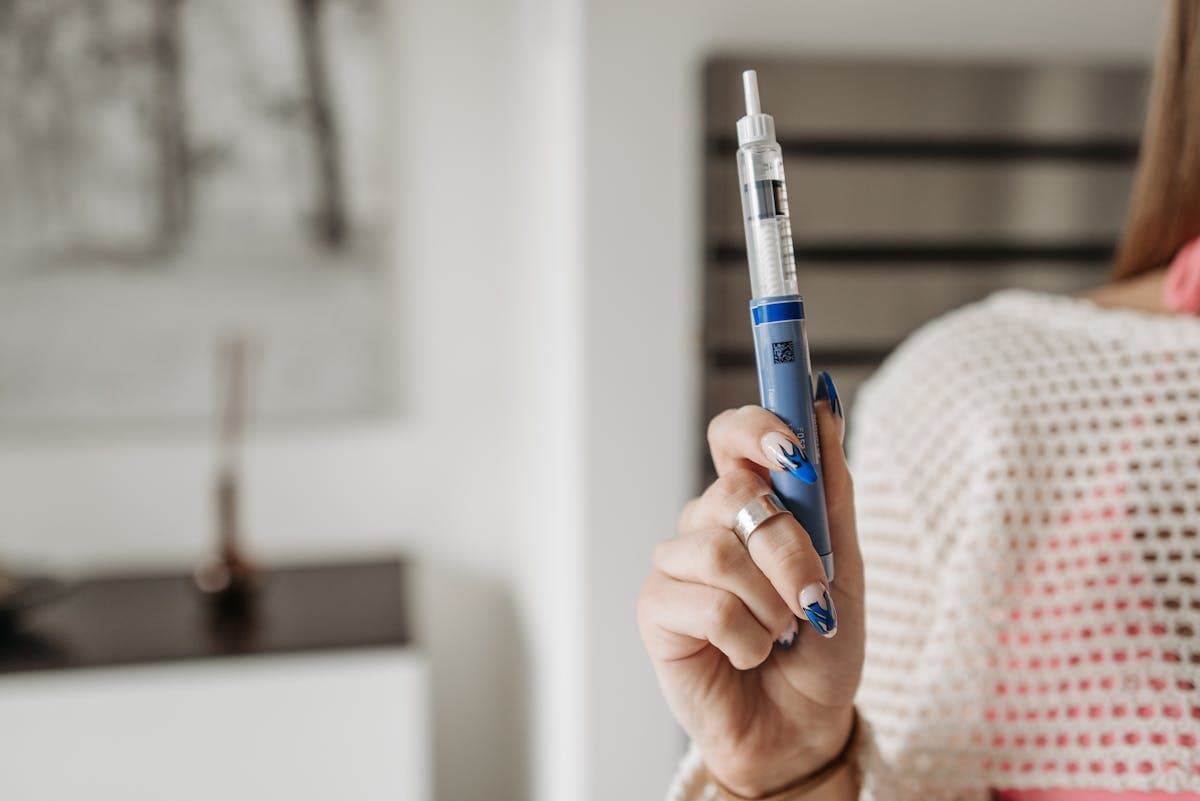
Learning how to inject Mounjaro properly comes down to a consistent pre-injection check and a simple two-click process. Before you start, check three things. First, look at the dose indicator window — it should show gray, meaning the pen hasn't been used. Second, inspect the medication through the clear base. It should be clear and colorless to slightly yellow. If it's cloudy, discolored, or contains particles, don't use it. Third, check the expiration date on the label.
Now the actual injection:
Step 1: Choose and Prepare Your Injection Site
Mounjaro is a subcutaneous injection, meaning it goes into the fat layer just beneath your skin. The three approved sites are:
- Abdomen — at least 2 inches away from your navel in any direction. Avoid the belt line and any scars.
- Front or outer thigh — the middle third between your knee and hip. Avoid the inner thigh.
- Back of the upper arm — only practical if someone else is administering the injection for you.
Clean your chosen site with an alcohol swab and let it air dry completely. This takes about 10 seconds. Injecting through wet alcohol stings and can irritate the tissue.
Step 2: Prepare the Pen
Pull off the gray base cap by pulling it straight off — don't twist it. You'll see the clear base underneath. Do not touch the clear base or press it against anything yet. Next, twist off the lock ring by turning it clockwise. You should feel it click and detach. The purple injection button is now live.
Step 3: Inject
Place the clear base flat against your skin at the prepared site. Press it firmly — you need full contact between the flat base and your skin. Press and hold the purple injection button. You'll hear a loud click. This is the needle deploying and the injection starting. Keep holding the pen firmly against your skin. Do not lift it. After several seconds, you'll hear a second click. This means the injection is complete. After the second click, slowly count to five, then lift the pen straight away from your skin.
Step 4: Confirm and Dispose
Check the dose indicator window on the pen. It should now show purple, confirming the full dose was delivered. If it still shows gray, the injection was not completed — contact your pharmacist or prescriber. Do not attempt to reinject. Place the used pen in a sharps disposal container. Do not recap it, do not throw it in regular trash, and do not attempt to reuse it.
Step 5: Log It
Record the date, time, dose, injection site, and which side of the body. This takes 15 seconds and it matters more than you'd think — especially weeks down the road when you're trying to remember whether you injected your left thigh or right, or when exactly you moved up from 5 mg to 7.5 mg. I'll come back to tracking in a later section.
The two-click system is your confirmation mechanism. The first click starts the injection. The second click tells you it's finished. If you only hear one click and pull the pen away, you may not have received your full dose. Train yourself to wait for both clicks and then count to five — it becomes second nature by week three.
Injection Site Rotation: Protecting Your Tissue
Injecting Mounjaro into the same spot every week is one of the most common mistakes I see, and the consequences accumulate silently. Repeated injections in the same location cause lipohypertrophy — hardened, rubbery lumps of fatty tissue that alter how medication absorbs. Studies on injectable medication users show lipohypertrophy prevalence as high as 30-40% in patients who don't rotate properly. A dose injected into compromised tissue may absorb unpredictably, which means your weekly tirzepatide levels become inconsistent even though you're taking the same dose on schedule.
For a once-weekly injection like Mounjaro, a simple rotation pattern works well:
| Week | Site | Zone |
|---|---|---|
| 1 | Abdomen | Lower-left quadrant |
| 2 | Abdomen | Lower-right quadrant |
| 3 | Right thigh | Mid-outer surface |
| 4 | Left thigh | Mid-outer surface |
| 5 | Abdomen | Upper-left quadrant |
| 6 | Abdomen | Upper-right quadrant |
| 7 | Right thigh | Mid-front surface |
| 8 | Left thigh | Mid-front surface |
After week 8, start over. Within each zone, shift the exact injection point by at least 1 inch from where you injected last time in that same zone. This gives each spot roughly two months of rest between injections.
Our GLP-1 injection site rotation guide goes deeper on rotation strategy, including how to detect lipohypertrophy early and what to do if you find it. If you're also interested in the broader picture of how tirzepatide works, the titration schedule, and what to expect from treatment, the tirzepatide guide covers all of that ground.
Rotation isn't a nice-to-have — it's a clinical requirement for anyone on long-term injectables. The good news is that once you have a pattern, you don't have to think about it. The pattern does the thinking for you. You just need to log where you went so you know where to go next.
Common Mistakes That Affect Your Dose
Once you understand how to inject Mounjaro correctly, these mistakes become obvious — but they trip up nearly everyone the first few times. Most of them are easy to fix once you know to watch for them.
Lifting the pen too early. This is the most consequential mistake. If you hear the first click but lift the pen before the second click, you've gotten a partial dose. The autoinjector needs to complete its full cycle — first click deploys the needle and starts delivery, second click confirms completion. Impatience here costs you medication and money.
Not pressing firmly enough. The Mounjaro pen requires firm, flat contact with the skin to trigger properly. If you're hovering or only partially pressing the base against your skin, the mechanism may not engage correctly. Press the flat base flush against your skin. You should feel slight resistance from the spring mechanism before you press the purple button.
Skipping the alcohol swab. The injection breaks the skin barrier. Cleaning the site takes 10 seconds and meaningfully reduces infection risk. Let it air dry completely — injecting through wet alcohol irritates tissue and stings.
Injecting cold medication. Mounjaro stored in the refrigerator should be removed 30 minutes before injection and allowed to reach room temperature. Cold medication is more viscous and can make the injection feel uncomfortable. The in-use pen can be stored at room temperature (up to 86F / 30C) for up to 30 days, which is longer than the weekly dosing interval — so many people keep their current pen in a drawer rather than the fridge.
Not rotating sites. I covered this above, but it bears repeating: using the same spot repeatedly leads to tissue damage that silently undermines absorption consistency. Even if you're alternating left and right abdomen, that's only two zones. Use the full rotation schedule.
Injecting into bruised or hardened tissue. If a site from last week still has a bruise, skip it. If a site feels firm or lumpy compared to surrounding tissue, that may be lipohypertrophy — mention it to your provider and avoid that area. Injection into compromised tissue means unpredictable absorption, and unpredictable absorption means unreliable results.
Tracking Your Injections Digitally
Here's where I've seen the biggest gap between people who cruise through their Mounjaro treatment and people who constantly feel behind: tracking. Not obsessive, every-meal-logged tracking — just a simple weekly record of what happened.
When you're on a once-weekly injectable with a multi-month titration schedule, critical details slip away fast. Which side did you inject last week? When did you move up from 5 mg to 7.5 mg? Was the nausea worse after the dose increase or about the same? Did you miss a dose six weeks ago, and does that explain the plateau? Your memory isn't reliable over these timescales, and your prescriber needs real data, not vague impressions.
At minimum, track five things each injection day:
- Date and time — the foundation for everything else, especially if you're adjusting your injection day
- Dose amount — critical during titration when you're changing doses every four weeks
- Injection site and side — feeds your rotation schedule and helps you spot patterns (certain sites causing more bruising, for example)
- Side effects — a simple 0-3 severity scale makes your notes comparable week to week
- Weight trend — weekly weigh-ins are enough; daily introduces noise without signal
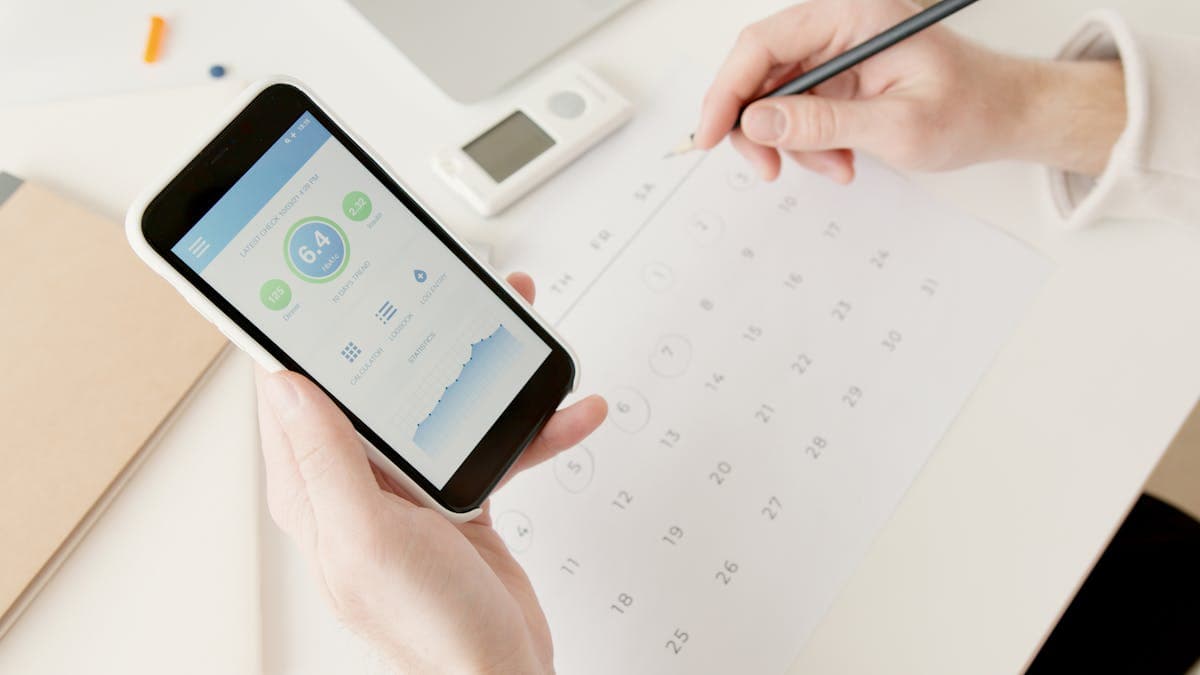
A paper log works. A notes app works. But both degrade over months. You lose the notebook, you forget to check the note before injecting, you end up with scattered data that's hard to synthesize for a prescriber appointment. This is where a purpose-built tool earns its keep.
If you miss a dose — and at some point you probably will — the prescribing information says to take it as soon as possible within 4 days (96 hours). If more than 4 days have passed, skip it and resume your regular schedule. A missed dose log helps you document what happened and keeps your record clean for your clinician.
The people who get the best outcomes on GLP-1 medications aren't the ones with the most willpower. They're the ones with the best systems. A 30-second weekly log gives you and your prescriber a shared source of truth that replaces guesswork with data. That's an unfair advantage over months and years of treatment.
Frequently Asked Questions
Does the Mounjaro pen have a visible needle?
No. The Mounjaro pen is an autoinjector with a completely hidden needle. You never see it before, during, or after the injection. The device automatically inserts the needle when you press the injection button and retracts it when the dose is complete. If needle anxiety has been a barrier for you, this design removes that obstacle entirely.
How long do I hold the Mounjaro pen against my skin?
Press and hold the pen against your skin after you hear the first click, and keep holding until you hear the second click. Then count to 5 before removing the pen. The whole process takes roughly 10 seconds. The second click is your confirmation that the full dose has been delivered — don't lift before you hear it.
Can I inject Mounjaro through clothing?
No. Always inject into bare, clean skin. Injecting through clothing prevents you from properly cleaning the site, can interfere with the autoinjector mechanism making full contact, and increases the risk of contamination or incomplete delivery.
What should I do if I see blood after injecting Mounjaro?
A small drop of blood or minor bruising is normal and just means a tiny capillary was nicked. Press a clean cotton ball or gauze gently against the site for 30 seconds. This does not mean your dose was wasted or that the injection went into a blood vessel. If you notice significant bleeding, swelling, or spreading redness, contact your healthcare provider.
Done Dose was built for exactly this kind of weekly injectable routine. One-tap dose logging, visual injection site rotation tracking, smart reminders that work for weekly medications — not just daily pills — and an adherence history you can actually show your prescriber at your next appointment. Whether you just searched how to inject Mounjaro for the first time or you're six months into your titration, it keeps your treatment organized without adding complexity. See how Done Dose can simplify your Mounjaro routine.