
TRT Bloodwork Guide: Peak, Trough, and Estradiol Timing — 10 Labs Explained
TRT bloodwork timing explained: when to draw at trough vs peak, which 10 labs to request, how to read estradiol and hematocrit, and what to do when numbers drift out of range.
Published 2026-03-28Updated 2026-06-0311 min read
By Ben — Builder of DoneDose, software engineer and peptide user
If you're on testosterone replacement therapy, your injections are only half the equation. The other half -- the part that tells you whether your protocol is actually working and whether it's safe -- lives in your TRT bloodwork. I've talked to countless guys who dial in their injection schedule, track every dose, rotate their sites like clockwork, and then show up to a lab appointment with no idea what's actually being tested or why. Understanding your labs gives you a seat at the table when your provider makes decisions about your protocol. This guide covers every lab you should know about, when to time your blood draw, how to interpret what comes back, and how to track results over time.
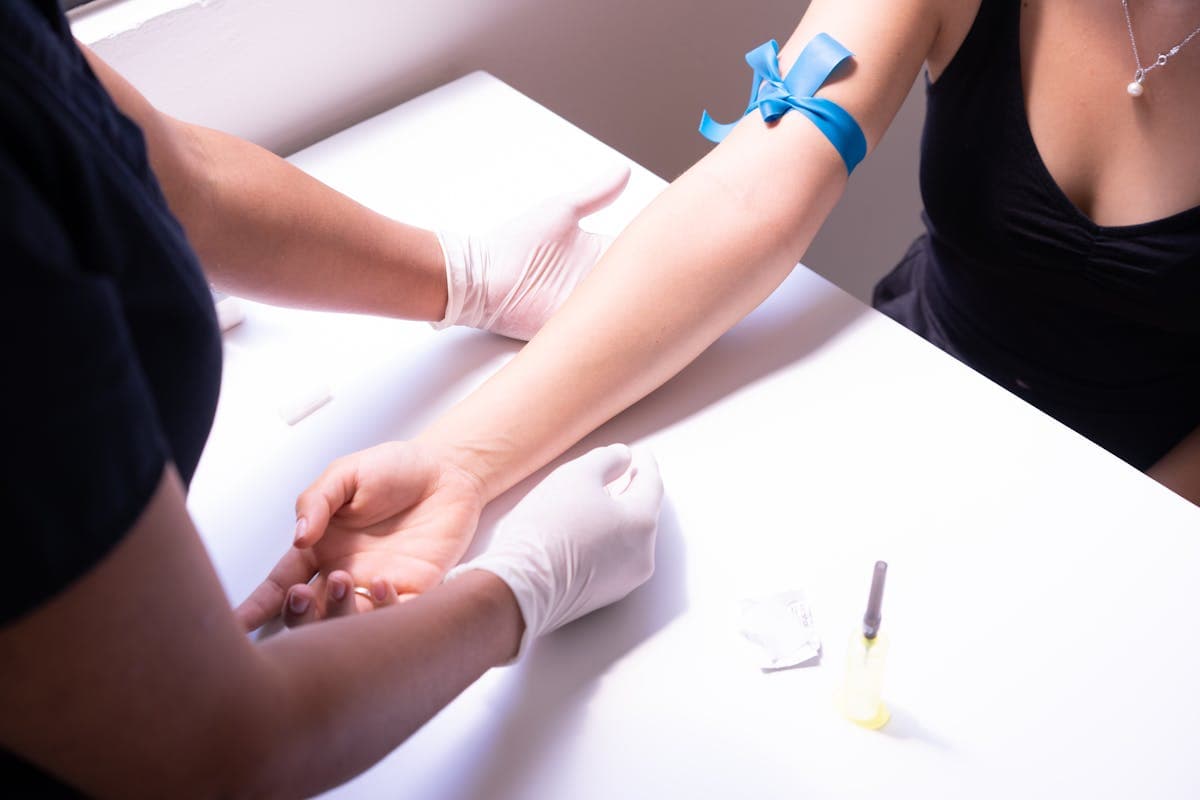
Why TRT Bloodwork Is Non-Negotiable
Testosterone is a powerful hormone, and injecting it changes more than just your T level. It shifts your entire hormonal ecosystem -- estradiol, DHT, SHBG, red blood cell production, lipid metabolism, and more. Most of these shifts are manageable. Some, left unchecked, are dangerous.
The Endocrine Society and the American Urological Association both require regular laboratory monitoring for anyone on testosterone therapy. TRT can elevate hematocrit to levels that increase cardiovascular risk, alter lipid profiles that affect long-term heart health, and in rare cases shift prostate markers that require intervention.
You won't feel most of these changes. A hematocrit creeping from 48% to 54% doesn't come with a warning bell. A lipid panel trending the wrong direction doesn't cause symptoms until the damage is done. TRT bloodwork is how you catch these things early, when they're easy to correct.
Bloodwork isn't a formality your clinic makes you do to justify billing. It's the only tool that shows what's happening beneath the surface -- the stuff you can't feel until it becomes a problem. Treat every lab draw as a progress check for your entire body, not just your testosterone number.
If you're already tracking your injections consistently -- and if you're not, our TRT injection log and site rotation guide is the place to start -- then adding bloodwork tracking is the natural next step that elevates your entire protocol management.
The Essential TRT Lab Panel: What to Test and Why
Not every provider orders the same panel, and not every panel is complete. Here's what a thorough TRT monitoring panel should include, what each marker tells you, and the reference ranges you'll typically see on your results. Knowing this ahead of time means you can have an informed conversation with your provider if something looks off -- or if something important was left out of the order.
| Lab | What It Measures | Why It Matters on TRT | Typical Reference Range |
|---|---|---|---|
| Total Testosterone | Total T bound to SHBG and albumin, plus free T | The primary marker of whether your dose is putting you in the therapeutic range | 300--1000 ng/dL |
| Free Testosterone | The bioavailable fraction not bound to SHBG | Often more clinically relevant than total T; what your tissues actually use | 9--30 pg/mL (varies by assay) |
| Estradiol (E2) | Estrogen level, primarily from testosterone aromatization | Elevated E2 can cause water retention, mood changes, gynecomastia; too low causes joint pain and low libido | 20--50 pg/mL (sensitive assay) |
| Hematocrit (HCT) | Percentage of blood volume occupied by red blood cells | TRT stimulates erythropoiesis; high hematocrit thickens blood and raises cardiovascular risk | 38--52% (concern above 52--54%) |
| Hemoglobin (Hgb) | Oxygen-carrying protein in red blood cells | Rises alongside hematocrit; another marker of blood thickness | 13.5--17.5 g/dL |
| PSA | Prostate-specific antigen | Screens for prostate changes; TRT doesn't cause prostate cancer but can accelerate existing disease | < 4.0 ng/mL (age-dependent) |
| Lipid Panel | Total cholesterol, LDL, HDL, triglycerides | TRT can suppress HDL and shift lipid ratios; long-term cardiovascular health depends on monitoring this | Varies by marker |
| Comprehensive Metabolic Panel (CMP) | Liver enzymes (AST/ALT), kidney function (creatinine, BUN), glucose, electrolytes | Catches liver stress, kidney changes, or metabolic shifts related to therapy | Varies by marker |
| CBC (Complete Blood Count) | Full picture of red cells, white cells, and platelets | Includes hematocrit and hemoglobin plus additional markers for immune and clotting function | Varies by marker |
| SHBG | Sex hormone-binding globulin | Determines how much of your total T is truly bioavailable; low SHBG means more free T per unit of total T | 10--57 nmol/L |
A couple of notes. The sensitive estradiol assay (often listed as "LC/MS/MS") is specifically designed for male-range estrogen levels. The standard immunoassay is less accurate at lower concentrations typical in men -- if your provider orders the standard version, ask for the sensitive one.
SHBG is underappreciated. Two men with identical total testosterone can have very different free testosterone levels depending on SHBG. If your provider hasn't checked it, ask. It costs almost nothing and adds significant context.
Think of SHBG as the bouncer at the door. Your total testosterone is everyone who showed up to the party, but free testosterone is who actually got inside. If SHBG is high, a lot of your testosterone is tied up and unavailable to do its job -- and your total T number alone won't tell you that.
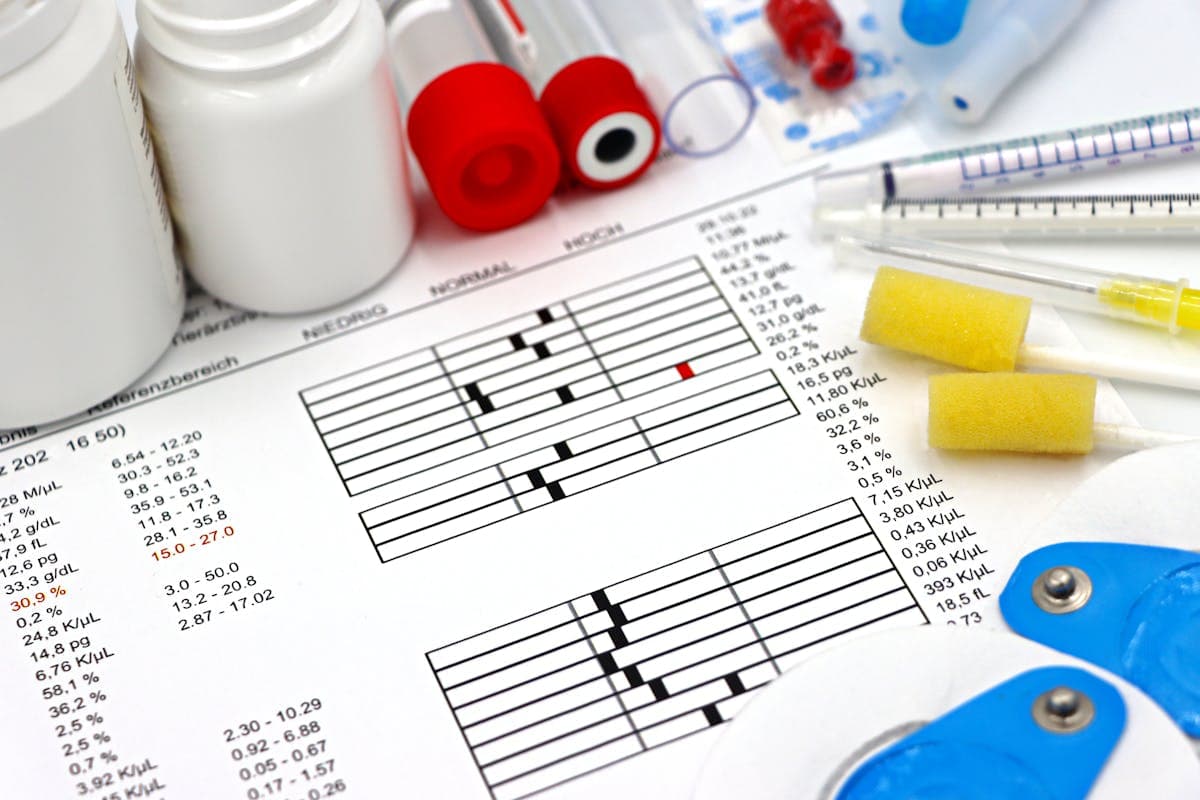
When to Get Your Blood Drawn: Timing Matters More Than You Think
Here's something that trips up a lot of TRT patients: the timing of your blood draw relative to your last injection dramatically changes your results. A testosterone level drawn 24 hours after injection can be 50% higher than one drawn right before your next dose. Both numbers are "real," but they tell very different stories.
Trough Testing: The Gold Standard
The Endocrine Society recommends drawing blood at trough -- meaning right before your next scheduled injection, when your testosterone level is at its lowest point in the cycle. This approach gives you the most consistent, comparable result across different lab draws and is the standard your provider will use to evaluate whether your dose needs adjustment.
If you inject every 3.5 days (twice weekly), your trough is the morning of your injection day, before you inject. If you inject weekly, it's the morning of injection day, seven days after your last shot. The key is consistency: always draw at the same point in your cycle so your results are comparable over time.
Peak Testing: When It's Useful
Some providers will order a peak draw -- 24 to 48 hours after injection -- to see how high your levels spike. This helps diagnose side effects driven by peaks (like elevated estradiol or hematocrit spikes) rather than your average level. If your trough looks fine but you're experiencing symptoms mid-cycle, a peak draw provides the missing context. Our testosterone cypionate half-life guide explains the pharmacokinetic curve in detail, including why split dosing produces flatter peaks and higher troughs.
Practical Timing Tips
- Morning draws are best. Reference ranges were established using morning samples. Drawing after noon can artificially lower results, creating confusion about dose adequacy.
- Fasting is usually recommended. If your panel includes lipids (and it should), fast 9 to 12 hours. Water is fine.
- Note the exact timing. Write down when your last injection was and when blood was drawn. This context is essential for accurate interpretation.
I've seen guys panic over a "low" testosterone reading that was drawn at 4 PM on a random Tuesday, eight hours after eating a heavy meal. Context is everything. A well-timed trough draw tells your provider ten times more than a randomly timed one.
How to Read Your Results: What the Numbers Actually Mean
Getting your lab results back can feel like reading a foreign language. Here's how to approach them without spiraling.
Start with the big three. Total and free testosterone tell you whether your dose is putting you in the therapeutic range -- most clinicians aim for mid-to-upper normal on trough draws (roughly 500--900 ng/dL total T). Hematocrit is your primary safety marker -- anything above 52% warrants a discussion, and above 54% usually triggers intervention. Estradiol is best evaluated as a trend rather than a single number; an E2 of 45 pg/mL might be fine for one person and symptomatic for another.
Then check the supporting cast. Compare lipids to your pre-TRT baseline -- TRT can suppress HDL, and if yours drops below 40 mg/dL, your provider may recommend changes. A stable PSA is reassuring; a jump of more than 1.4 ng/mL within 12 months (per AUA guidelines) warrants investigation. Liver enzymes should stay normal -- mild elevations from heavy lifting are transient, but persistent elevation needs evaluation.
Remember: trends over snapshots. A single lab draw is a snapshot. Three or four draws are a story. One slightly elevated hematocrit isn't an emergency if your previous three were normal. One low testosterone reading doesn't mean your dose is wrong if you drew blood at a weird time. What matters is the trajectory -- and that's exactly why tracking results over time is so valuable.
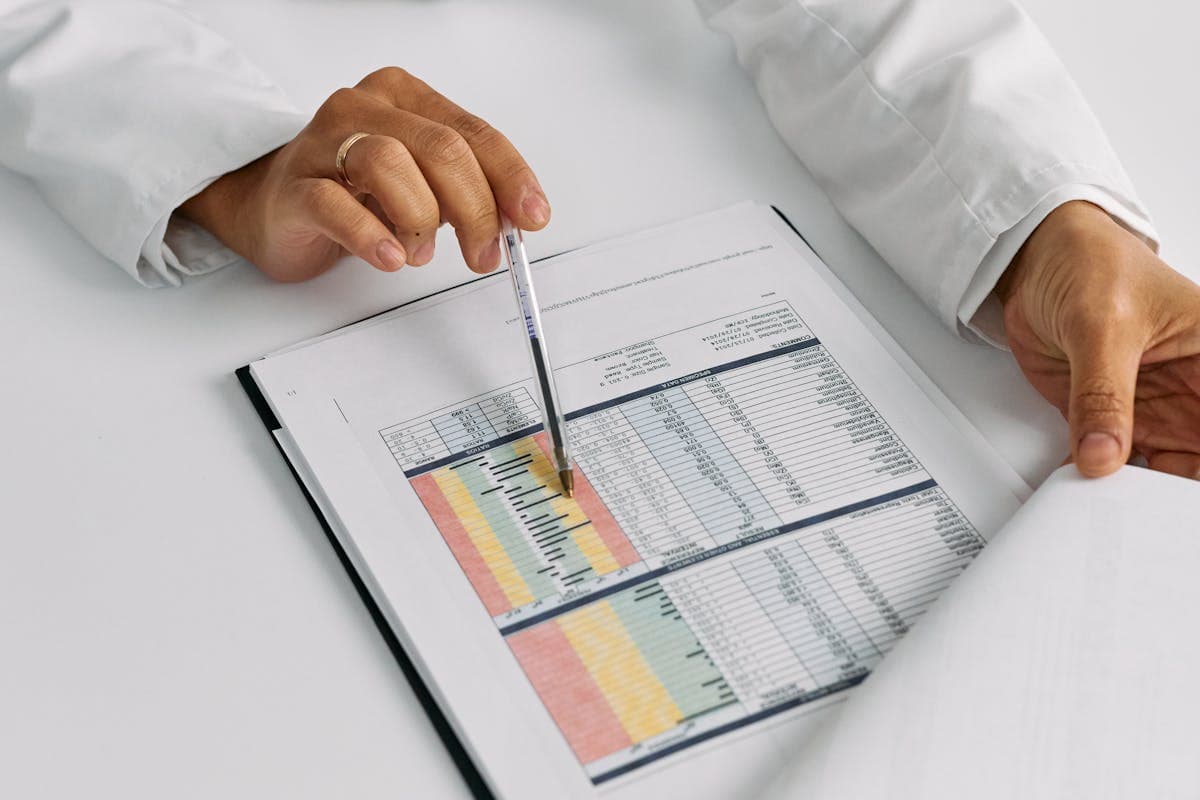
How Often Should You Get Labs?
The frequency of your TRT bloodwork depends on where you are in your treatment timeline.
First Year on TRT
The Endocrine Society recommends baseline labs before starting therapy (your pre-TRT reference point), a draw at 6 to 8 weeks after starting or any dose change, another at 3 to 6 months, and a third at 6 to 12 months. This front-loaded schedule makes sense because the first year is when hematocrit changes, lipid shifts, and estradiol fluctuations are most likely. Each draw informs the next dose adjustment.
Ongoing Monitoring (Year Two and Beyond)
Once your protocol is stable, most providers move to every 6 to 12 months. Hematocrit may be checked more frequently if you've had borderline readings.
After Any Protocol Change
Any time your dose changes, your injection frequency changes, or you add a new medication, reset the clock. Get labs 6 to 8 weeks after the change to see how your body is responding.
Don't wait for your scheduled lab draw if something feels off. Sudden fatigue, mood swings, significant water retention, or chest tightness are all reasons to call your provider and ask for labs sooner. The schedule is a minimum, not a maximum.
Tracking Your Labs Over Time With DoneDose
Here's where most people drop the ball. They get labs, glance at the results, hear "everything looks fine," and file the paperwork away. Six months later, they have no idea what their hematocrit was last time or whether their estradiol has been trending up.
The real power of TRT bloodwork shows up when you track results across multiple draws. Patterns emerge that you'd never see from a single snapshot: hematocrit climbing 1% every quarter (still "in range" but heading toward intervention), free testosterone lower than expected because SHBG is creeping up, HDL dropping 10 points after a dose increase and never recovering, or estradiol running higher in summer as body composition shifts. These are the insights that turn routine lab work into actionable intelligence.
For each lab draw, capture: the date, timing relative to your last injection (e.g., "trough -- 84 hours post"), your current protocol, key results (total T, free T, E2, hematocrit, PSA, lipids at minimum), how you've been feeling, and any provider notes or changes.
If you're already using an app to track your TRT injections and site rotation, adding lab results to the same system creates a single timeline. You can see exactly which protocol produced which lab results, and your provider gets clean data instead of scattered printouts. Pairing this with a solid understanding of your testosterone dose calculations gives you the complete picture -- what you're putting in and what your body is doing with it.

Common Bloodwork Scenarios and What to Do
Here are three situations that come up constantly in TRT monitoring.
Hematocrit creeping up. Your CBC shows 51%, up from 48% three months ago. You feel fine -- but don't ignore it. Anything above 52% warrants a conversation. Common fixes: increasing injection frequency to reduce peaks, lowering the dose slightly, staying hydrated, or therapeutic phlebotomy. Most providers recheck in 4 to 6 weeks when it starts climbing.
Estradiol running high. Sensitive E2 at 55 pg/mL with water retention, nipple sensitivity, or moodiness. Your provider may split your dose into more frequent injections (smaller doses aromatize less), adjust total dose, or prescribe a low-dose aromatase inhibitor. Estradiol management is a clinical decision, not a DIY project.
Good testosterone number, terrible symptoms. Total T is 700 ng/dL at trough but you're exhausted and foggy. If SHBG is high, your bioavailable T may be much lower than the total suggests. If estradiol crashed too low, you'll feel awful despite good T numbers. And not every symptom on TRT is caused by TRT -- thyroid and ferritin are worth checking.
The number on your lab result is a data point, not a diagnosis. How you feel is clinical data too. The best TRT management happens when your provider weighs both -- and when you bring organized records that make it easy for them to see the full picture.
Building Your Long-Term Bloodwork Routine
Before each lab draw: confirm you're drawing at trough (morning of injection day, before injecting), fast 9-12 hours if lipids are included, and write down the exact date and time of your last injection.
After each lab draw: record all results in your tracking system, compare to your previous draw for trends (not just in-range/out-of-range), note your current protocol alongside the results, and schedule a follow-up if anything is flagged.
Annually: request a comprehensive panel even if you've been stable, review your full lab history with your provider, and ask whether your monitoring frequency should change based on your track record.
If you've ever missed a dose and wondered how it affects your labs, our missed dose log template helps you document gaps so your provider can account for them when interpreting results.
If you're ready to bring real structure to your TRT tracking, Done Dose was built for this. Log every injection with dose, site, and timing. Set smart reminders that match your protocol. Track your labs alongside your injection history so every provider visit starts with clean, organized data instead of guesswork. Whether you're managing TRT alone or alongside other medications, Done Dose keeps your entire protocol in one place. Start tracking your TRT protocol with Done Dose