
TRT Injection Log and Site Rotation: The Complete Tracking Guide
Learn how to track TRT injections with a site rotation schedule, dose log, and bloodwork tracker. A practical guide to managing your testosterone replacement therapy protocol.
Published 2026-03-01Updated 2026-03-2811 min read
By Ben — Builder of DoneDose, software engineer and peptide user
If you're on testosterone replacement therapy, you already know the routine: draw, prep, inject, repeat. But here's something that separates people who thrive on TRT from those who constantly feel like they're winging it -- a TRT injection log. Tracking every injection with even minimal detail gives you a clear picture of your protocol, helps you spot problems before they snowball, and makes every conversation with your prescriber dramatically more productive. Whether you've been on TRT for a week or three years, this guide will walk you through exactly what to track, where to inject, how to rotate sites, and how to build a system that actually sticks.
Why Logging Your TRT Injections Matters More Than You Think
Let's be honest -- most people start TRT with good intentions about tracking and then slowly stop. A sticky note here, a vague memory there, and before long you're sitting in your clinician's office unable to answer basic questions about your last few weeks of injections.
That's a problem, because TRT isn't a set-it-and-forget-it medication. Your dose, frequency, and injection sites all affect how you feel and what your bloodwork shows. Without a reliable log, you're essentially flying blind.
A consistent injection log does three things that memory alone can't: it confirms you didn't miss a dose, it proves your rotation is balanced, and it gives your clinician real data instead of guesses.
Here's what a good TRT log captures for every single injection:
- Date and time of the injection
- Medication name and concentration (e.g., testosterone cypionate 200mg/mL)
- Dose volume (e.g., 0.35 mL)
- Route -- intramuscular (IM) or subcutaneous (subQ)
- Injection site and side (e.g., left ventrogluteal)
- Post-injection notes -- pain level, bleeding, any unusual reaction
- Next scheduled injection date
This takes about 30 seconds right after you inject. That small investment pays off in spades when you need to troubleshoot why your energy dipped in week three, or when your provider asks whether you've been consistent.
If you're also managing other medications alongside TRT, you might find our guide on combining oral and injectable medication tracking helpful for keeping everything organized in one place.
Understanding Your Injection Sites: Ventrogluteal, Deltoid, and Vastus Lateralis
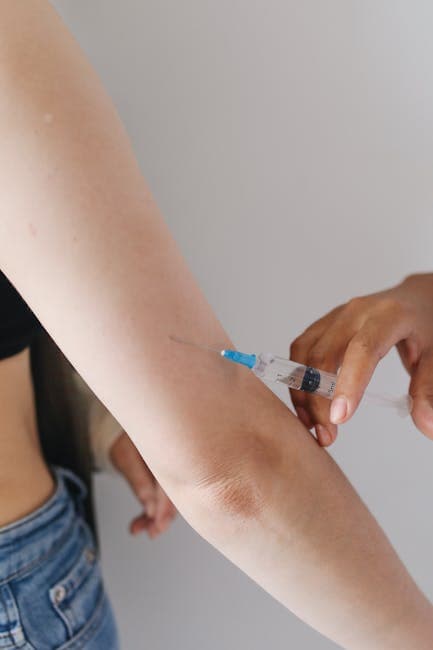
Not all injection sites are created equal, and knowing the strengths and trade-offs of each one helps you build a smarter rotation. Most TRT protocols use intramuscular injection into one of three primary sites, though subcutaneous injection is becoming more common for certain protocols.
Here's a practical comparison of the three most commonly used IM injection sites for TRT:
| Site | Location | Needle Length (IM) | Best For | Watch Out For |
|---|---|---|---|---|
| Ventrogluteal | Hip, upper-outer gluteal area | 1" - 1.5" | Larger volumes, less pain, fewer nerves | Harder to self-inject for some; requires practice finding the landmark |
| Deltoid | Outer upper arm | 1" | Smaller volumes (under 1 mL), quick access | Can be sore for days; limited to smaller doses; not ideal for frequent use |
| Vastus Lateralis | Outer middle thigh | 1" - 1.5" | Easy self-injection, good for beginners | More post-injection soreness reported; can interfere with leg workouts |
Ventrogluteal is widely considered the gold standard for IM injections. It's a large muscle with relatively few major nerves and blood vessels. The trade-off is that it takes a bit of practice to locate the correct landmark, especially when self-injecting. Once you've got it down, though, most people find it the most comfortable option.
Deltoid injections are convenient and fast. You can see exactly what you're doing, and the site is easy to access. The downside is that the deltoid is a smaller muscle, so it's typically recommended only for volumes under 1 mL. If you're injecting larger volumes, this site may cause more discomfort.
Vastus lateralis -- the outer thigh -- is popular with people who self-inject because you can comfortably reach it and clearly see the injection area. Some people experience more soreness here compared to the ventrogluteal site, but it remains a reliable option.
Your prescriber will recommend specific sites based on your dose volume, needle gauge, and injection route. Always follow their guidance over general information, especially if you're new to self-injection.
Building a Site Rotation Schedule That Works
Site rotation isn't just a best practice -- it's essential for long-term TRT comfort and absorption. Injecting into the same spot repeatedly can cause lipohypertrophy (hardened or lumpy tissue), increase pain over time, and potentially affect how well your body absorbs the medication.
The goal is simple: give each site enough rest between injections that the tissue fully recovers. Here's how to build a rotation that you'll actually follow.
For twice-weekly injections (the most common TRT frequency), a four-site rotation works well:
- Monday -- Left ventrogluteal
- Thursday -- Right vastus lateralis
- Monday -- Right ventrogluteal
- Thursday -- Left vastus lateralis
- Repeat from step 1
This gives each individual site a full two weeks of recovery between injections. You're alternating both the body area and the side, which makes it easy to remember: if you injected left last time, go right. If you were on the glute, move to the thigh.
For weekly injections, a simpler three- or four-site rotation works:
- Week 1 -- Left ventrogluteal
- Week 2 -- Right deltoid
- Week 3 -- Right ventrogluteal
- Week 4 -- Left deltoid
- Repeat
The best rotation schedule is the one you'll actually stick to. If a four-site rotation feels overwhelming, start with two sites (left and right of the same muscle group) and expand as you get more comfortable.
The key is to log every site in your injection tracker so you never have to rely on memory. When your next injection day comes, you just check your last entry and move to the next site in the sequence. No guesswork, no repeated sites.
For more on how site rotation works across different injectable medications, our GLP-1 injection site rotation guide covers the same principles applied to weekly dosing.
Dose Tracking and Protocol Management
Your TRT dose isn't just a number to remember -- it's a variable that your clinician adjusts based on how you respond. Tracking doses precisely helps you correlate how you feel with what you're actually taking, and it catches small errors before they become big problems.

Here's what good dose tracking looks like in practice:
Log the actual dose, not just the prescribed dose. If your protocol calls for 0.35 mL but you consistently draw to 0.33 mL because of air bubbles, that's worth noting. Over months, small discrepancies add up and can affect your bloodwork results.
Record any protocol changes with the date. When your prescriber adjusts your dose from 160mg weekly to 140mg weekly, note the exact date of the change. This makes it easy to correlate future bloodwork with the right dosing period.
Track your supplies. Noting your vial lot number and expiration date isn't just good practice -- it's useful if you ever experience an unexpected reaction or need to report an issue to your pharmacy.
A simple protocol log entry might look like this:
- Date: March 1, 2026
- Time: 8:15 AM
- Medication: Testosterone cypionate 200mg/mL
- Dose: 0.35 mL (70mg)
- Route: IM
- Site: Right ventrogluteal
- Needle: 25g, 1"
- Post-injection: Minimal soreness, no bleeding
- Next dose: March 4, 2026
If you ever miss a dose or inject late, log that too -- and don't adjust on your own. Our missed dose log template can help you document what happened so your clinician can advise you properly.
Understanding what medication adherence actually means and why it matters can also help you stay motivated when logging feels tedious.
Monitoring Bloodwork and Connecting It to Your Log
TRT without bloodwork monitoring is like driving without a dashboard -- you might feel fine, but you don't actually know what's happening under the hood. Your injection log becomes exponentially more valuable when you pair it with regular lab results.
Most TRT protocols include bloodwork every 3-6 months, typically checking:
- Total testosterone and free testosterone -- the core markers of whether your dose is dialed in
- Estradiol (E2) -- estrogen levels can rise with TRT and may need management
- Hematocrit and hemoglobin -- TRT can increase red blood cell production, which needs monitoring
- PSA -- prostate-specific antigen, a standard safety marker
- Lipid panel -- to track cardiovascular health markers
- Liver function -- particularly if you're on any oral adjunct medications
Here's where your injection log pays off big: when you get bloodwork, note the exact timing relative to your injection cycle. Were you tested at trough (right before your next injection) or at peak (24-48 hours after injection)? That context completely changes how your numbers should be interpreted.
Add a bloodwork section to your log:
- Lab date: March 15, 2026
- Timing: Trough (last injection was March 12)
- Total T: 650 ng/dL
- Free T: 15.2 pg/mL
- E2: 28 pg/mL
- Hematocrit: 48.5%
- Notes: Feeling good at this level, energy stable
Over time, this creates a personal reference that shows exactly how different doses and timing affect your individual numbers. That's data your clinician can use to fine-tune your protocol with confidence.
If you're looking for a structured way to organize your medication schedule around lab appointments and injection days, our medication schedule template is a good starting point.
Putting It All Together: Your TRT Tracking System
The best tracking system is one that takes minimal effort on injection day and delivers maximum clarity when you need it. Here's how to set yours up so it actually works long-term.
Step 1: Choose one tool and commit to it. Whether it's an app like Done Dose, a spreadsheet, or a paper journal, pick one source of truth. Splitting your records across multiple places is the fastest way to lose data. Our best TRT tracker app guide compares the top options specifically for testosterone injection logging, and the best pill reminder app guide reviews broader options if you want a digital solution that handles reminders too.
Step 2: Set your rotation in advance. Don't decide which site to use when you're standing there with a loaded syringe. Map out at least four weeks of rotation and enter it into your tracker. Then just follow the plan.
Step 3: Log immediately after injection. Not an hour later, not before bed -- right then. It takes 30 seconds, and it eliminates the "did I already inject today?" anxiety that plagues people who rely on memory.
Step 4: Run a weekly check. Once a week, glance at your log and verify:
- No missed entries
- Sites are rotating correctly
- No repeated sites in back-to-back injections
- Next injection date and site are already planned
Step 5: Prep for bloodwork appointments. Before any lab visit, review your last 4-6 weeks of entries. Note your average timing, any missed doses, and any protocol changes. Bring this summary to your appointment.
The compound effect of consistent logging is remarkable. After three months, you'll have a clear picture of your adherence patterns. After six months, you'll be able to correlate how you feel with specific dosing windows. After a year, you'll have the kind of data that turns your clinician visits from guesswork into precision adjustments.
Done Dose is built for exactly this kind of tracking. Log your TRT injections with site rotation, set smart reminders that adapt to your protocol, track doses across injectable and oral medications, and bring clean summaries to every clinician visit. Whether you're managing TRT alone or alongside other medications, Done Dose keeps everything in one place so nothing falls through the cracks. Start tracking smarter at donedose.com