
GLP-1 Side Effects: What to Track and When to Worry
A practical guide to tracking GLP-1 side effects — what symptoms to log, how to rate severity, when to escalate to your clinician, and a ready-to-use tracking template for semaglutide, tirzepatide, and other GLP-1 medications.
Published 2026-03-28Updated 2026-03-2811 min read
By Ben — Builder of DoneDose, software engineer and peptide user
Starting a GLP-1 medication like semaglutide or tirzepatide is a decision that comes with real benefits and real adjustments. You've probably read the trial data, talked to your prescriber, and mentally prepared for the titration schedule. But there's one piece that most guides skip entirely: what to actually do when the GLP-1 side effects show up. Not just "expect nausea" — but how to track what you're feeling, how to rate it, when to ride it out, and when to pick up the phone.
I've been through this myself. The people who have the smoothest experience aren't the ones who avoid side effects altogether — that's rare. They're the ones who track their symptoms with enough structure to see patterns, make adjustments, and give their clinician something concrete to work with instead of "I felt bad last week." This guide gives you that system.
Why Tracking GLP-1 Side Effects Matters More Than You Think
Most people starting a GLP-1 receptor agonist expect some gastrointestinal discomfort. The prescribing information warns about it, your doctor probably mentioned it, and every online forum is full of stories. But there's a critical difference between knowing side effects exist and having a structured record of how they're affecting you specifically.
In the STEP 1 trial for semaglutide 2.4 mg, nausea was reported by 44% of participants compared to 18% on placebo. The SURMOUNT-1 trial for tirzepatide showed similar GI rates, with nausea affecting 24-33% of participants depending on dose. These numbers tell you the odds, but they tell you nothing about your trajectory — whether your nausea is improving week over week, staying flat, or quietly getting worse.
That's the information that actually drives treatment decisions. And you can only get it by logging.

The value of side effect tracking isn't in recording what happened. It's in revealing what's changing. A single data point is an anecdote. Four weeks of data is a trend your prescriber can use to decide whether to hold your dose, push forward, or adjust your protocol.
What Tracking Gives You That Memory Doesn't
Human memory is terrible at reconstructing symptom timelines. You'll remember feeling nauseous "a lot" during the first month, but not whether it was worse in week two or week three, whether it correlated with what you ate, or whether it was actually improving before your dose increased. A simple log captures all of that — and turns your next prescriber visit from a vague conversation into a productive one. If you're already tracking doses and injection sites, our guide on what to track when taking GLP-1 medications weekly covers the full picture.
Common GI Side Effects: What's Normal and What to Log
Gastrointestinal symptoms are the hallmark of GLP-1 therapy — a direct consequence of how these drugs work. GLP-1 receptor activation slows gastric emptying, alters gut motility, and changes appetite signaling in the brain. Your digestive system is adjusting to a different tempo. That adjustment is uncomfortable, but for most people it's temporary.
Nausea
The most frequently reported side effect across every GLP-1 medication. It's typically worst in the first 48-72 hours after a dose — especially after a dose increase — and fades as the week progresses. For a deeper breakdown of nausea patterns specific to semaglutide, including what helps and when to escalate, see our semaglutide side effects guide.
What to log: Rate severity daily on a 0-10 scale (or a simpler 0-3 scale if that feels more sustainable). Note the time of day it peaks, what you ate in the hours before, and whether it responds to small meals, hydration, or ginger. Track how many days after your injection the nausea lasts.
Diarrhea and Constipation
These often alternate, especially during dose changes. Diarrhea tends to appear early in each dose level, while constipation can develop more gradually as slowed gastric emptying affects your whole GI tract.
What to log: Frequency per day for diarrhea (and note any dietary triggers). For constipation, log days between bowel movements and whether you're using any interventions like fiber supplements or osmotic laxatives. Persistent diarrhea — more than three loose stools daily for more than a week — warrants a provider call, primarily because of dehydration risk.
Vomiting and Abdominal Pain
Occasional vomiting during the first week at a new dose is within the expected range for GLP-1 medications. Abdominal pain is usually described as a dull, upper-abdomen cramp that tracks with the other GI symptoms.
What to log: Date, time relative to your injection, frequency, and — for pain — location and character. This matters because the distinction between typical GLP-1 abdominal discomfort and something more serious (like pancreatitis) often comes down to the quality and location of the pain.
Mild GI side effects during titration are your body adjusting to a new metabolic signal. They're not a sign the medication is wrong for you. But the only way to know whether those symptoms are resolving on schedule or deviating from the expected pattern is to write them down.
Reduced Appetite and Early Satiety
This one isn't technically a "side effect" in the negative sense — it's part of how GLP-1 medications work. But it's worth tracking because dramatic appetite reduction can lead to inadequate protein intake, dehydration, and fatigue that people don't immediately connect to undereating.
What to log: A rough daily appetite rating (low/moderate/normal) and an estimate of protein intake. If your appetite drops to the point where you're eating fewer than two meals a day or struggling to get adequate fluids, flag it.
Less Common but Serious Side Effects
Most side effects in this drug class are annoying, not dangerous. But a smaller set requires awareness because they demand prompt action. Knowing the difference between "expected and resolving" and "unexpected and escalating" is the whole point of tracking.
Pancreatitis
Rare (less than 0.5% in clinical trials) but serious. The hallmark is severe, persistent abdominal pain that radiates to the back, often worsening after eating and accompanied by vomiting. This pain is qualitatively different from typical GLP-1 GI discomfort — it's intense, it doesn't come and go, and it doesn't improve with time or food changes.
What to track: Any abdominal pain that scores above 7/10, lasts more than a few hours, radiates to your back, or is accompanied by persistent vomiting. If your log shows this pattern, stop the medication and seek immediate medical attention.
Gallbladder Events
Gallstones and gallbladder inflammation occur at higher rates in GLP-1 patients, likely driven by rapid weight loss rather than the drug itself. Symptoms include sudden intense pain in the upper right abdomen, especially after fatty meals, sometimes with fever or yellowing of the skin.
Thyroid Concerns
GLP-1 receptor agonists carry a boxed warning about thyroid C-cell tumors based on rodent studies. While unconfirmed in humans, the medications are contraindicated in people with a personal or family history of medullary thyroid carcinoma or MEN 2 syndrome. Track and report any new neck lump, difficulty swallowing, or persistent hoarseness.
Acute Kidney Injury
Rare, and almost always secondary to severe dehydration from persistent GI symptoms rather than direct drug toxicity. This is why tracking fluid intake alongside GI severity matters — catching escalating dehydration early prevents the downstream problem.
Serious side effects from GLP-1 medications are uncommon, but they share a common feature: early detection changes outcomes. A symptom log doesn't prevent pancreatitis or gallstones, but it dramatically shortens the time between "something feels off" and "I'm getting evaluated." That window matters.
Your Side Effect Tracking Template
Here's a practical template you can use from day one. The goal is minimal daily effort during dose escalation and even less once you're stable at maintenance.
Daily Log (Use During First 2-3 Weeks at Each Dose Level)
| Field | What to Record | Example |
|---|---|---|
| Date | Calendar date | 2026-03-28 |
| Day post-injection | Days since last dose (0 = injection day) | Day 1 |
| Nausea (0-10) | Severity at worst point today | 5 |
| GI symptoms | Diarrhea episodes, constipation, vomiting | 1 loose stool, no vomiting |
| Abdominal pain (0-10) | Severity and location | 3, upper abdomen |
| Appetite | Low / Moderate / Normal | Low |
| Fluid intake | Rough estimate in ounces or glasses | ~60 oz |
| Energy level | Low / Moderate / Normal | Moderate |
| Other symptoms | Headache, dizziness, injection site reaction, etc. | Mild headache AM |
| Notes | Dietary triggers, meal timing, what helped | Nausea worse after skipping breakfast |
Weekly Summary (Use at Maintenance Dose)
Once you've been stable at your maintenance dose for 4+ weeks, you can shift to a weekly check-in:
- Worst GI day this week and what triggered it
- Average nausea score for the week (eyeball it from your dailies)
- Weight (same scale, same time, same conditions)
- Any new symptoms that weren't present last week
- Missed doses or timing changes
- Overall trend: improving, stable, or worsening
Monthly Review
Before each prescriber visit, scan your log for patterns: Are GI symptoms trending down at this dose, or flat? Are there dietary triggers you keep seeing (high-fat meals, large portions, eating too fast)? Is your fluid intake holding up? Has anything new appeared after weeks of stability? These are the questions your prescriber will ask — and your log should answer them before they do.

When to Call Your Doctor
This section exists because one of the most common questions I hear is some version of "is this normal?" Having clear thresholds helps you answer that question without spiraling into anxiety or, worse, dismissing something that needs attention.
Within 24 Hours (Urgent, Not Emergency)
- Nausea or vomiting severe enough that you can't keep fluids down for more than 24 hours
- Abdominal pain above 7/10 that persists for more than a few hours
- Signs of significant dehydration: very dark urine, dizziness when standing, dry mouth despite drinking
- Injection site with spreading redness, warmth, or signs of infection
- Side effects that suddenly worsen after weeks of being stable at the same dose
Immediately (Emergency)
- Severe abdominal pain radiating to the back (possible pancreatitis)
- Signs of anaphylaxis: throat swelling, difficulty breathing, widespread hives
- Confusion, fainting, or inability to stand (severe dehydration or hypoglycemia)
- Sudden intense upper right abdominal pain with fever (possible gallbladder event)
At Your Next Scheduled Visit (Worth Mentioning)
- GI symptoms that haven't improved after 3-4 weeks at the same dose level
- Noticeable hair thinning
- Persistent fatigue that's affecting your daily life
- Resting heart rate consistently above 100 bpm
- Mood changes or increased anxiety
Your prescriber would rather hear "I tracked this for two weeks and here's the pattern" than "something felt off but I wasn't sure so I waited." A structured log gives you the confidence to escalate appropriately — not too early, not too late.
The thresholds above apply whether you're on semaglutide, tirzepatide, or any other GLP-1 receptor agonist. The specific frequencies differ between medications — tirzepatide's dosing schedule uses different escalation steps, for example — but the framework for deciding when to escalate a side effect is the same across the class.
Tracking Side Effects Digitally with Done Dose
Paper logs work. If a notebook on your nightstand is what you'll actually use, it beats any app you won't open. But paper has real limitations for side effect tracking: it can't calculate trends, it's hard to share with your prescriber in a usable format, and it doesn't remind you to log when you're feeling fine — which is when most people stop logging, right before a pattern becomes visible.
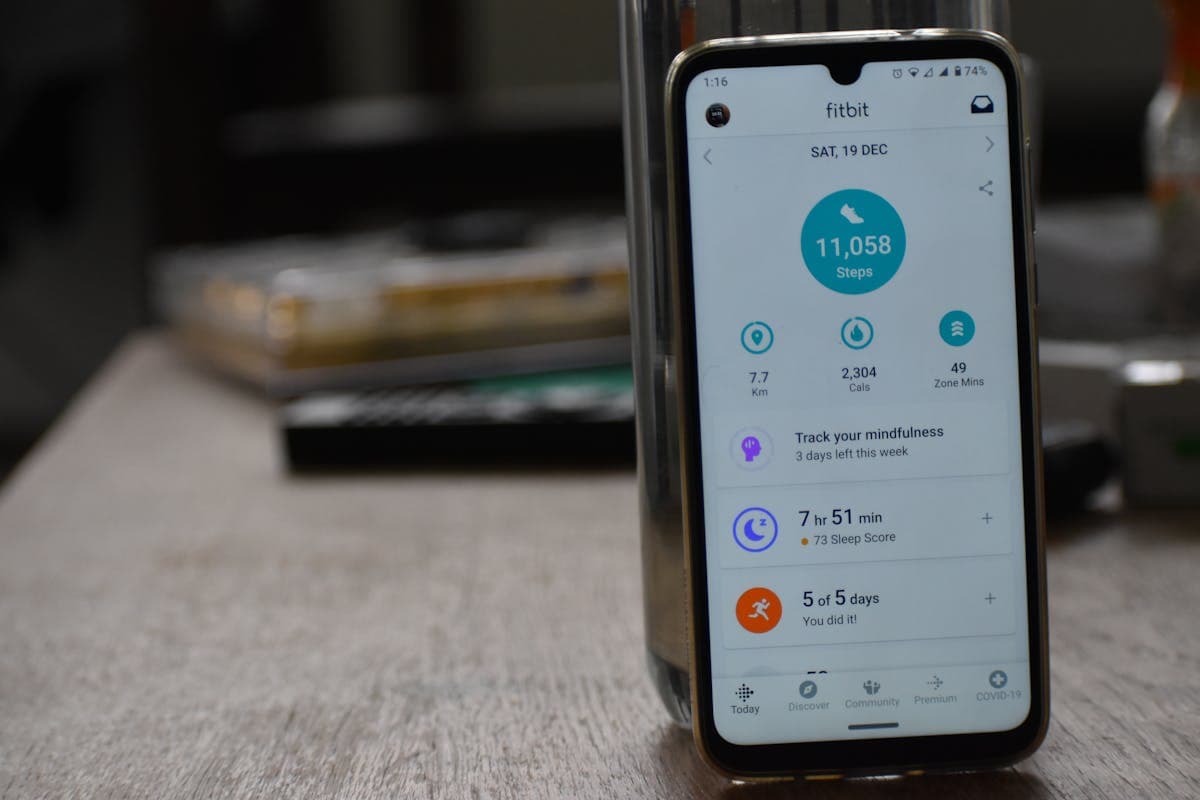
Done Dose was built for this. When you log a dose, the app prompts you to add symptom notes — nausea severity, GI status, energy level. That data lives alongside your dose history, injection site rotation map, and adherence record, so when your prescriber asks "how have you been tolerating the dose increase?", you hand them a timeline instead of a guess.
You can set daily check-in reminders during the first two weeks at a new dose level, then dial back to weekly once you're stable. That flexibility matters because the cadence that works during titration is overkill at maintenance — and tools that don't adapt become tools you stop using.
If you've missed a dose and want to understand how that gap might affect your side effect pattern, the missed-dose log template pairs well with this tracking approach.
Frequently Asked Questions
What are the most common GLP-1 side effects?
Gastrointestinal symptoms dominate: nausea, diarrhea, constipation, vomiting, and abdominal discomfort. Nausea was the most reported side effect in both the STEP trials (semaglutide) and SURMOUNT trials (tirzepatide). These are dose-related — they tend to appear or worsen when your dose increases, and typically improve as your body adjusts at each level.
How long do GLP-1 side effects last?
The typical pattern is 1-2 weeks of noticeable symptoms after each dose increase, followed by gradual improvement. By 8-12 weeks at maintenance dose, most GI effects have resolved or become barely noticeable. Side effects persisting beyond 4 weeks at the same dose warrant a prescriber conversation about slower titration or dose adjustment.
Should I stop my GLP-1 medication if I have side effects?
Not without talking to your prescriber first. Mild to moderate GI symptoms during dose escalation are expected. Your prescriber can hold at the current dose longer, reduce temporarily, adjust meal timing, or add supportive medications like ondansetron. Stopping abruptly without guidance can complicate your treatment plan.
What GLP-1 side effects require emergency medical attention?
Severe abdominal pain radiating to the back (possible pancreatitis), signs of anaphylaxis (difficulty breathing, throat swelling), severe dehydration with confusion or fainting, and sudden intense right-sided abdominal pain with fever (possible gallbladder event). These are uncommon, but they require immediate evaluation — don't wait and see.
Is tracking side effects actually useful or just extra work?
Genuinely useful, and minimal effort once you have a system. A daily severity score takes 30 seconds. Over weeks, those scores reveal whether your symptoms are on a normal downward trajectory or stalling in a way that warrants clinical attention. Without a log, you and your prescriber are both working from memory — which is unreliable when symptoms fluctuate day to day.
Done Dose gives you a single place to track doses, side effects, and injection sites — so the data your prescriber needs is always ready when they ask. With one-tap symptom logging after each dose, customizable severity scales, and a timeline view that connects dose changes to symptom patterns, it turns the complexity of GLP-1 treatment into something you can actually see and manage. Start tracking your GLP-1 treatment with Done Dose.