
Peptide Injection Sites: Where to Inject and How to Rotate
Where to inject peptides subcutaneously, the local-vs-systemic site debate for BPC-157 and TB-500, how to rotate sites to avoid scar tissue, and how to track it.
Published 2026-05-28Updated 2026-05-2811 min read
By Ben — Builder of DoneDose, software engineer and peptide user
This page has not been clinically reviewed.
Educational content only. This guide is not medical advice and does not replace care from a licensed clinician. Many peptides are not FDA-approved for human use -- consult a qualified provider before use.
On this page
Almost every peptide protocol comes down to the same physical act: a small subcutaneous injection into the fat just under your skin. The compounds change, the doses change, but where you put the needle -- and how you move it around over time -- stays remarkably consistent. This guide maps the standard subcutaneous sites, walks through how to rotate so you don't build scar tissue, and addresses the one genuinely debated question in peptide injection: whether healing peptides should go near the injury.
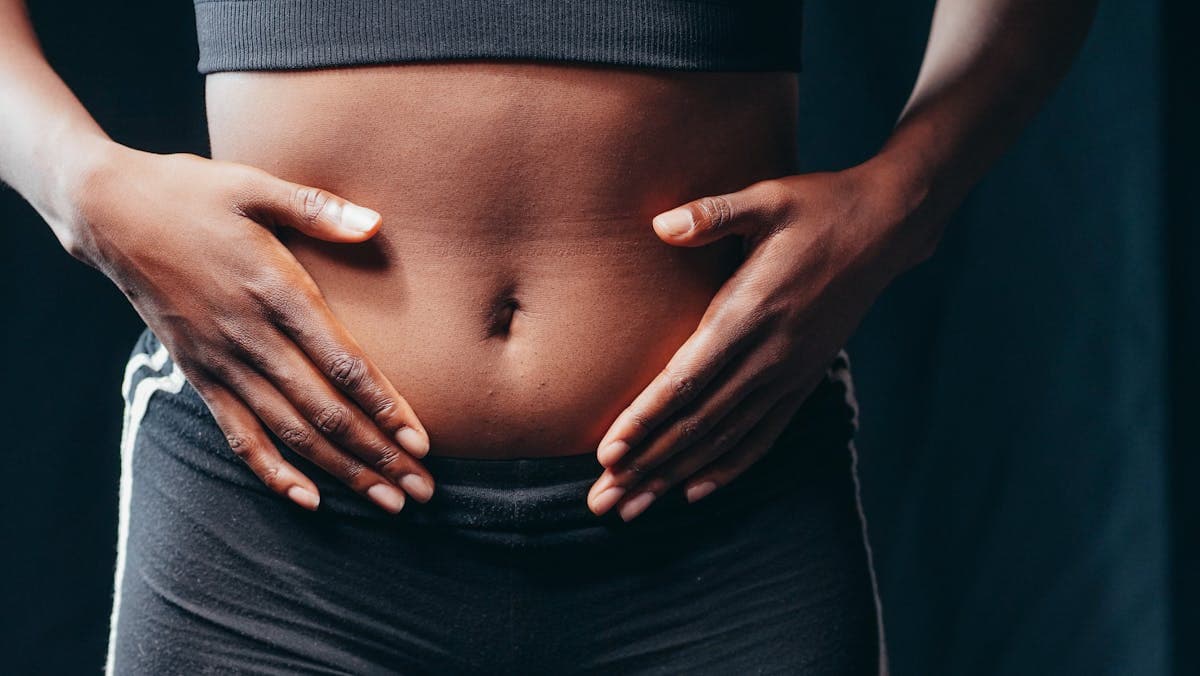
Quick Reference: The Four Main Sites
| Site | Pinch Difficulty | Notes |
|---|---|---|
| Abdomen | Easy | Most popular. Stay ~2 inches clear of the navel. Generous fat layer. |
| Front/outer thigh | Easy | Good for self-injection while seated. Avoid the inner thigh. |
| Flanks ("love handles") | Easy | Comfortable, often-overlooked extra real estate for rotation. |
| Back of upper arm | Harder solo | Hard to pinch your own arm; easier with help. |
Nearly all research and clinic-prescribed peptides are given subcutaneously (SubQ) -- into the fat layer, not the muscle. That's true for BPC-157, TB-500, CJC-1295, ipamorelin, GHK-Cu, and the GH secretagogues. The technique is the same gentle SubQ injection used for insulin and GLP-1 medications.
Why Subcutaneous Is the Default
The subcutaneous layer is the band of fatty tissue between your skin and muscle. It has a relatively modest blood supply, which means compounds injected there are absorbed slowly and steadily rather than dumped into circulation all at once. For peptides, that slow, consistent absorption is exactly what you want, and the SubQ route is simple enough to do at home with a tiny insulin needle.
A SubQ injection is shallow and low-pain when done right: a short fine needle, a pinch of skin, and a slow push. You're not aiming for muscle, and you don't need the longer needles or deeper angles that intramuscular injections require.
The Four Main Sites in Detail
Abdomen
The abdomen is the workhorse site. The fat layer is usually the most forgiving here, it's easy to see and pinch, and there's a lot of surface area to rotate across. Stay at least two inches away from the navel in all directions -- the tissue right around the belly button absorbs less predictably. Picture the abdomen as a grid and work across it methodically rather than returning to the same favorite spot.
Front and Outer Thigh
The thighs are the easiest site for self-injection because you can sit down, see exactly what you're doing, and reach comfortably with both hands. Use the front (anterior) and outer (lateral) thigh, roughly the middle third between hip and knee. Avoid the inner thigh, where larger blood vessels run and the tissue is more sensitive.
Flanks / Love Handles
The soft tissue along your sides -- the flanks or "love handles" -- is comfortable, easy to pinch, and frequently forgotten. Adding the flanks to your rotation meaningfully expands how long you can go before returning to any one spot, which matters a lot for daily injectors.
Back of the Upper Arm
The back of the upper arm (over the triceps) works well but is awkward to pinch on yourself. If someone is helping you inject, it's a fine site; solo, most people find the abdomen, thighs, and flanks easier to manage.
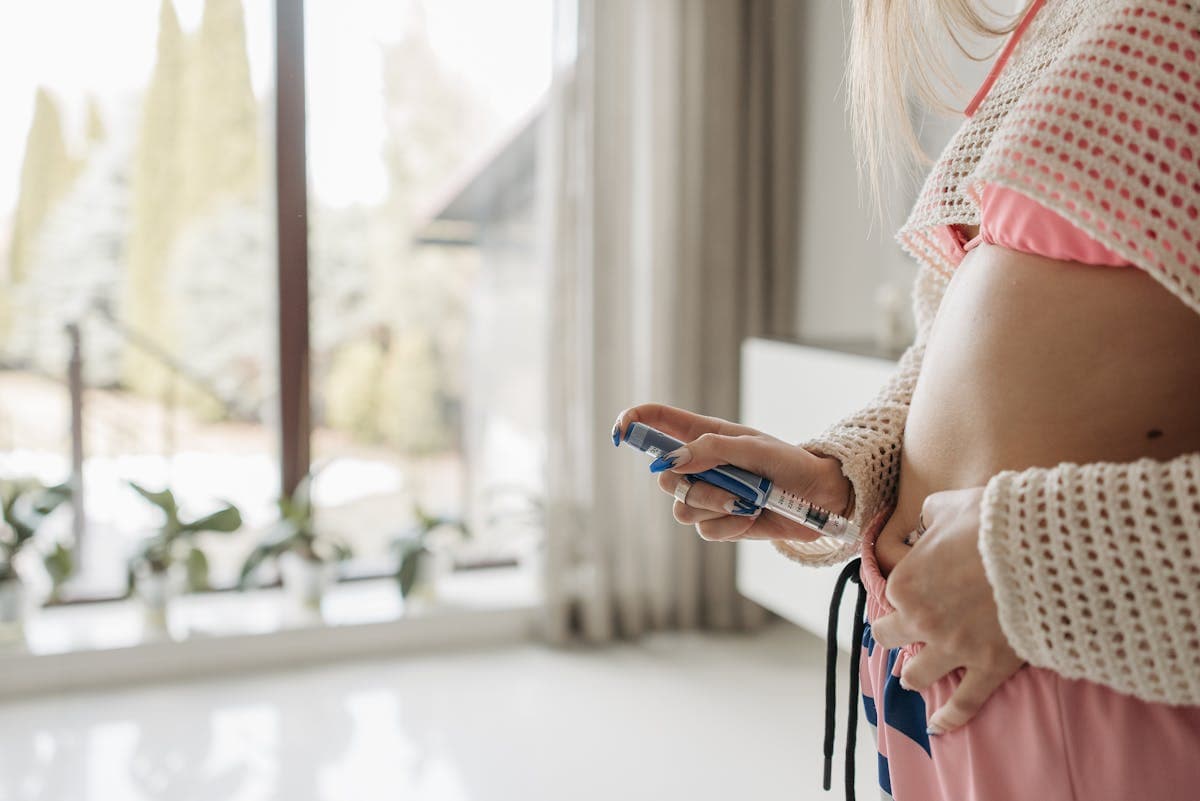
The Local-vs-Systemic Question
Here's the one place peptide injection sites get genuinely contentious. With healing peptides like BPC-157 and TB-500, a common belief is that injecting subcutaneously near the injured area concentrates the compound where you want it.
What's actually known:
- These peptides have systemic effects. Animal research shows BPC-157 acts throughout the body and even influences the central nervous system, regardless of where it's administered. So injecting at a convenient site away from the injury still delivers the peptide everywhere.
- The idea that local SubQ injection meaningfully raises local tissue concentration in humans is plausible but not well established. Most of the supporting evidence is animal data and anecdote.
- Injecting into a joint, tendon, or muscle is a different thing entirely. Those are clinical procedures, carry real risk of infection and tissue damage, and should only be done by a qualified provider. "Near the injury" in a self-injection context means subcutaneously in the general area, not into the structure itself.
The honest takeaway: if injecting SubQ near an injured shoulder makes you feel like you're being precise, it's unlikely to hurt as long as you stay in the fat layer and rotate. But don't expect the science to back a large local advantage, and never push a needle into a joint or tendon yourself.
How to Rotate (and Why It's Non-Negotiable for Peptides)
Peptides are the category where rotation matters most, simply because of frequency. A weekly GLP-1 injection gives tissue six days to recover. A peptide protocol dosing once or twice daily can hit the same small region many times in a week if you're not deliberate.
Repeated injections in one spot lead to:
- Local irritation and bruising in the short term.
- Lipohypertrophy over time -- lumps of thickened, fibrous fat that look and feel different from surrounding tissue.
- Erratic absorption from those damaged areas, which means your dose lands inconsistently even though the number on the syringe is the same.
A workable rotation system:
- Move at least an inch from your last injection every single time.
- Work across one region in a grid before moving on -- e.g., walk left-to-right across the abdomen over several injections.
- Switch regions every few days so no single area carries the whole load. Abdomen, then thighs, then flanks, then back.
- Give each spot days to recover before you return. The more sites you use, the longer that recovery window naturally becomes.
- Skip any site that's bruised, lumpy, tender, or inflamed until it fully heals.
This is the same logic behind the GLP-1 injection site rotation guide -- the principles transfer directly, just at higher frequency.
Technique in Brief
If you're new to SubQ injections, the short version:
- Swab the chosen site with alcohol and let it dry.
- Pinch a fold of skin and fat between thumb and forefinger to lift it away from the muscle.
- Insert the short insulin needle -- 90 degrees is fine for most people with a pinch; a 45-degree angle helps if you're very lean.
- Push slowly and steadily to deliver the dose.
- Withdraw, release the pinch, and apply light pressure with a cotton ball. Don't rub.
Peptide doses are small, so the injected volume is usually a fraction of a milliliter and barely noticeable. For the mixing and dose math that comes before this step, see the peptide reconstitution guide.
Tracking Your Sites
Rotation only works if you remember where you've been -- and "I think I did the left side of my abdomen yesterday" is not a system, especially when you're injecting daily across multiple compounds.
This is the exact problem DoneDose's visual body map solves. You tap where you injected, the app records the site, and color-coded indicators show which areas are resting and which are ready -- across every peptide in your protocol at once. When you're doing a daily SubQ injection of more than one compound, that visual history is the difference between disciplined rotation and quietly overusing your two favorite spots. Our best peptide tracker app guide covers how the options compare.
Where you inject peptides is simple once it's mapped: subcutaneously, into the abdomen, thighs, flanks, or upper arms, moving the needle every time and rotating regions across the week. The frequency of peptide protocols is what makes rotation matter more here than anywhere else -- skip it and you trade healthy tissue and reliable absorption for a couple of overworked spots. Map your sites, keep a real record, and the rest of the protocol takes care of itself.