
SubQ vs IM Testosterone Injections: Complete Comparison
Subcutaneous vs intramuscular testosterone injections compared: needle size, absorption, pain, injection sites, clinical evidence, and how to track both methods with a site rotation system.
Published 2026-03-28Updated 2026-03-2811 min read
By Ben — Builder of DoneDose, software engineer and peptide user
If you're on testosterone replacement therapy -- or about to start -- one of the first practical decisions you'll face is how to inject: subcutaneous vs intramuscular testosterone. It's one of the most debated topics in the TRT community, and for good reason. The method you choose affects your needle size, injection sites, pain level, how often you inject, and how you rotate sites over months and years. I've spent a lot of time studying this comparison, and what I've found is that neither method is universally "better" -- but one is almost certainly better for you, and this guide will help you figure out which.
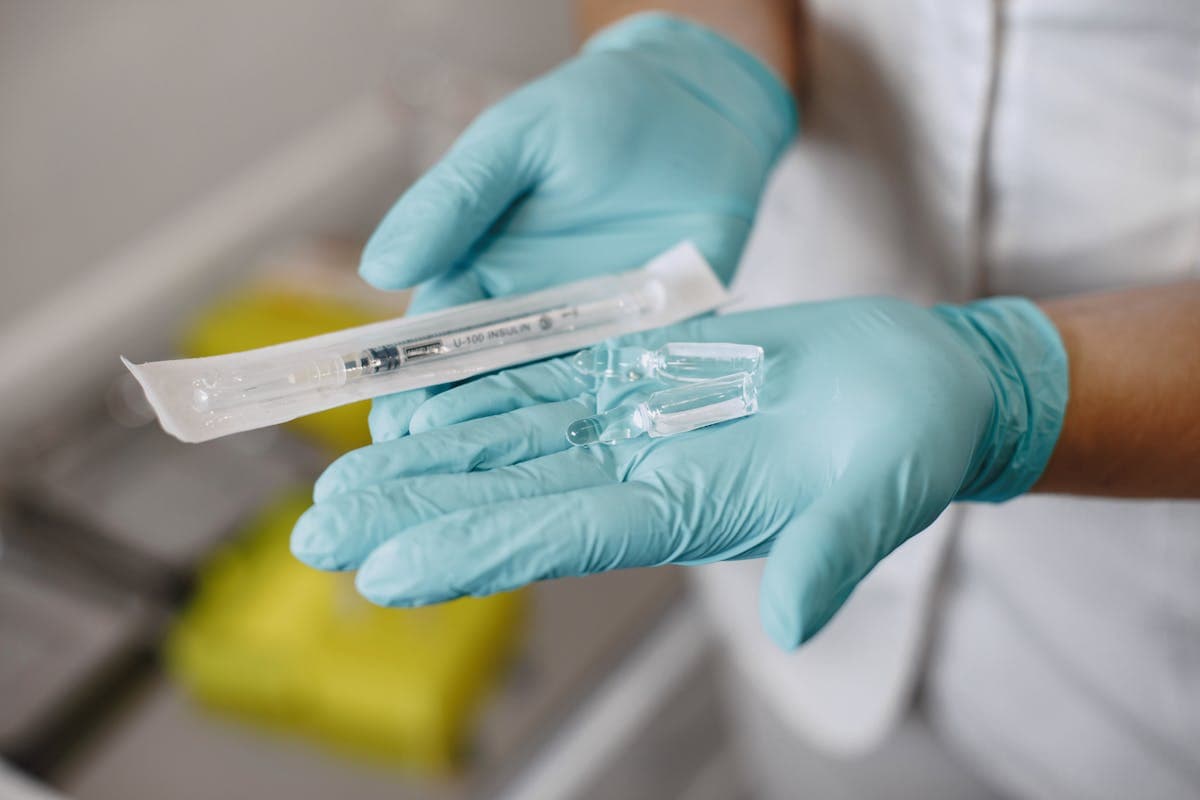
How Each Injection Method Works
Before we compare the two approaches, it helps to understand what's actually happening under the skin with each one.
Intramuscular (IM) injections deliver testosterone directly into muscle tissue -- typically the ventrogluteal (hip/glute), vastus lateralis (outer thigh), or deltoid (upper arm). The needle passes through the skin, through the subcutaneous fat layer, and into the muscle itself. Once deposited in the muscle, the testosterone oil forms a small depot that absorbs gradually into the bloodstream over days.
IM has been the standard route for injectable testosterone for decades. It's what most clinicians learn first, what most prescribing guidelines reference, and what most patients start with. The technique is well-established, and the pharmacokinetics are thoroughly studied.
Subcutaneous (SubQ) injections deliver testosterone into the fat layer just beneath the skin -- the same layer targeted by insulin injections and GLP-1 medications like semaglutide. The needle is shorter and thinner, and it doesn't reach the muscle. The testosterone oil forms a depot in the fatty tissue and absorbs into the bloodstream from there.
SubQ testosterone is a newer approach in clinical TRT, though subcutaneous injection as a technique has been used for other medications for decades. Over the past several years, a growing body of research has validated SubQ as an effective route for testosterone delivery, and more clinicians are offering it as an option.
The fundamental difference isn't absorption -- it's where the depot sits. IM places testosterone in muscle, SubQ places it in fat. Both routes get the medication into your bloodstream. The practical differences lie in needle size, injection technique, site options, and patient comfort.
If you're new to TRT and want a broader overview of how injection protocols work, our complete TRT guide covers the fundamentals of testosterone replacement therapy from diagnosis through ongoing management.
The Complete Comparison: SubQ vs IM Side by Side
This is the table I wish someone had handed me when I first started researching TRT SubQ vs IM. It covers every practical variable that matters for daily life on TRT.
| Factor | Subcutaneous (SubQ) | Intramuscular (IM) |
|---|---|---|
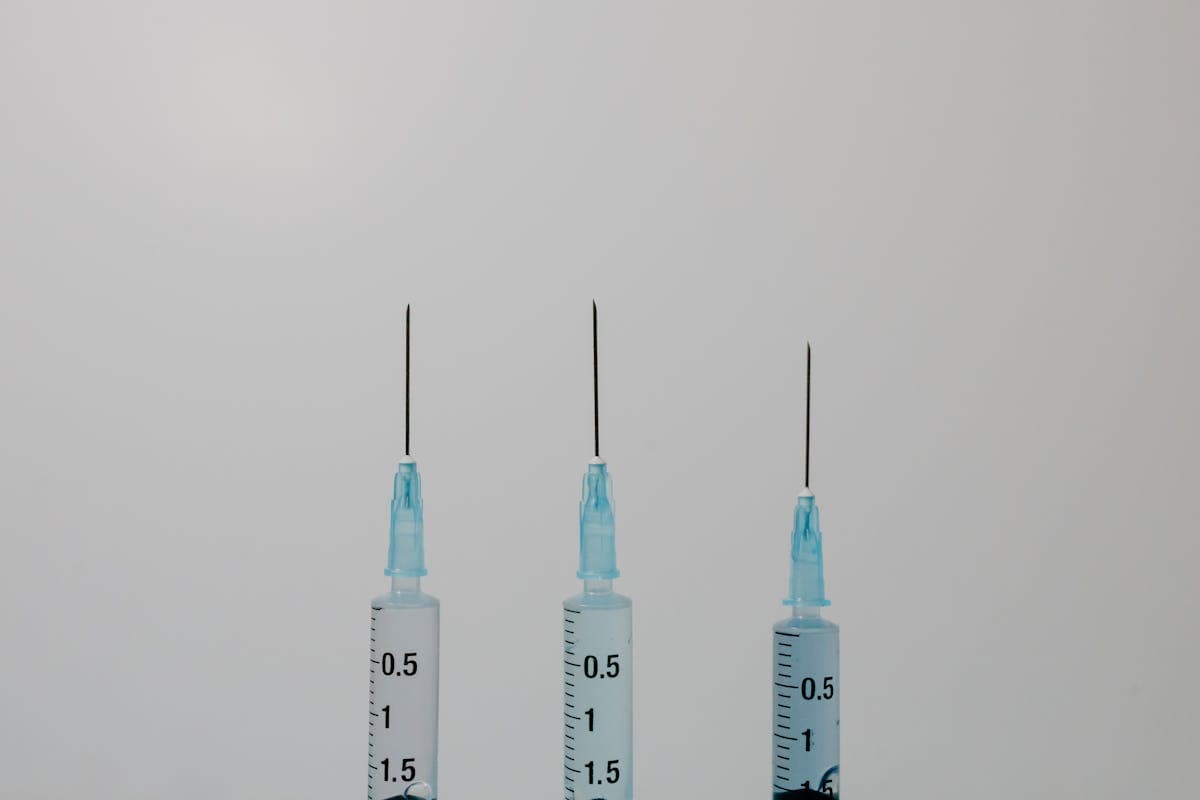
| Needle gauge | 25g - 31g (thinner) | 22g - 25g (thicker) |
| Needle length | 1/2" to 5/8" | 1" to 1.5" |
| Common syringe | Insulin syringe (1 mL) | Standard luer-lock syringe (1-3 mL) |
| Primary injection sites | Abdomen, outer thigh fat, upper arm fat | Ventrogluteal, vastus lateralis, deltoid |
| Maximum comfortable volume | 0.3 - 0.5 mL per site | Up to 1.0 mL (2 mL for ventrogluteal) |
| Typical pain level | Minimal -- most report little to no pain | Moderate -- varies by site and technique |
| Post-injection soreness | Rare; occasional small lump | Common; can last 1-3 days |
| Scar tissue risk | Lower with proper rotation | Higher with repeated use of same site |
| Absorption rate | Slightly slower, more gradual | Faster initial peak |
| Blood level stability | Tends toward more stable levels | Sharper peak-to-trough curve |
| Ideal injection frequency | Every other day to twice weekly | Once weekly to twice weekly |
| Self-injection ease | Very easy -- all sites visible and accessible | Some sites (ventrogluteal) harder to reach |
| Clinical evidence | Strong and growing; multiple supportive studies | Extensive; decades of clinical data |
| Best for | Smaller volumes, frequent injections, needle-averse patients | Larger volumes, less frequent injections |
A few things jump out from this comparison. SubQ uses considerably smaller needles, which is a major quality-of-life improvement for many people. But IM handles larger volumes more comfortably, which matters if you're on a higher dose and injecting once weekly.
Volume is the deciding constraint for most people. If your single injection volume is under 0.5 mL, SubQ is a comfortable option. Above that, IM is generally more practical -- or you'll want to split your dose into more frequent, smaller SubQ injections.
What the Clinical Evidence Actually Shows
Let's move past forum opinions and look at what the research says about subcutaneous testosterone compared to intramuscular delivery.
A 2017 study in Translational Andrology and Urology compared outcomes for hypogonadal men on intramuscular testosterone cypionate versus subcutaneous testosterone enanthate. The key finding: testosterone levels were therapeutically equivalent between groups. SubQ patients achieved target serum levels just as reliably as IM patients.
A 2022 study in The Journal of Clinical Endocrinology & Metabolism confirmed that subcutaneous testosterone is both effective and safe, with the added finding that SubQ produced more stable serum levels with less peak-to-trough variation. This aligns with what patients commonly report -- that SubQ, combined with more frequent dosing, leads to fewer mood and energy swings.
The Endocrine Society's Clinical Practice Guideline acknowledges IM as the traditional route but notes emerging evidence supporting subcutaneous delivery. SubQ is increasingly recognized as a legitimate alternative.
What about absorption differences? The research suggests that SubQ testosterone is absorbed slightly more slowly than IM, creating a more gradual release curve. For practical purposes, this means:
- SubQ tends to produce lower peaks and higher troughs -- a flatter curve overall
- IM produces a sharper initial peak (typically within 24-48 hours) followed by a steeper decline
- Both routes deliver equivalent total testosterone exposure over the dosing period
If you're interested in how injection timing and half-life interact with these absorption patterns, our testosterone cypionate half-life guide goes deep on pharmacokinetics and lab timing.
The clinical bottom line: SubQ testosterone works. It produces equivalent blood levels, may offer more stable day-to-day hormone curves, and is well-tolerated by the vast majority of patients. It's not experimental or fringe -- it's a validated delivery route with growing clinical support.
Choosing the Right Method for Your Protocol
So which one should you choose? When it comes to subcutaneous vs intramuscular testosterone, the honest answer is that it depends on your dose, your injection frequency, your body composition, and your personal preferences. Here's a framework for thinking through it.
SubQ is likely the better fit if:
- Your per-injection volume is 0.5 mL or less. This is the sweet spot for subcutaneous delivery. Larger volumes can cause uncomfortable lumps.
- You inject frequently. If you're on an every-other-day or twice-weekly protocol, smaller SubQ needles make the higher frequency much more tolerable.
- You're needle-averse. The jump from a 22-gauge, 1.5-inch needle to a 30-gauge, half-inch insulin needle is enormous psychologically. For many people, this is the single biggest factor.
- You want accessible injection sites. The abdomen, outer thigh, and upper arm are all easy to see and reach. No contorting to hit the ventrogluteal.
- You prefer stable levels. The slower absorption curve of SubQ, combined with frequent dosing, tends to produce the most consistent hormone levels.
IM is likely the better fit if:
- Your per-injection volume is above 0.5 mL. Muscle tissue handles larger depots more comfortably than subcutaneous fat.
- You inject once weekly or less frequently. Larger, less frequent doses pair naturally with IM delivery.
- You're very lean. If you have minimal subcutaneous fat, SubQ injections can be uncomfortable or deposit too close to the muscle anyway. Very lean individuals often find IM more straightforward.
- Your clinician prefers it. Some providers are more comfortable monitoring patients on IM because the pharmacokinetics are more extensively studied.
Many people also use a combination -- IM for larger weekly doses and SubQ when splitting into smaller, more frequent injections. If your clinician prescribes 160 mg weekly and you want to split it, injecting 0.4 mL of 200 mg/mL concentration every 3.5 days puts you right in the SubQ-friendly volume range. Our testosterone dose calculator guide can help you understand the mg-to-mL math for your specific protocol.
A critical note: Do not switch from IM to SubQ (or vice versa) without telling your prescriber. Even though the dose stays the same, the absorption profile changes. Your clinician may want follow-up bloodwork 6-8 weeks after switching to confirm your levels remain therapeutic.
Site Rotation for Both Methods
No matter where you land on the subcutaneous vs intramuscular testosterone question, consistent site rotation is essential for long-term comfort and reliable absorption. The rotation strategy differs significantly between SubQ and IM because you're working with entirely different sites.
SubQ Site Rotation
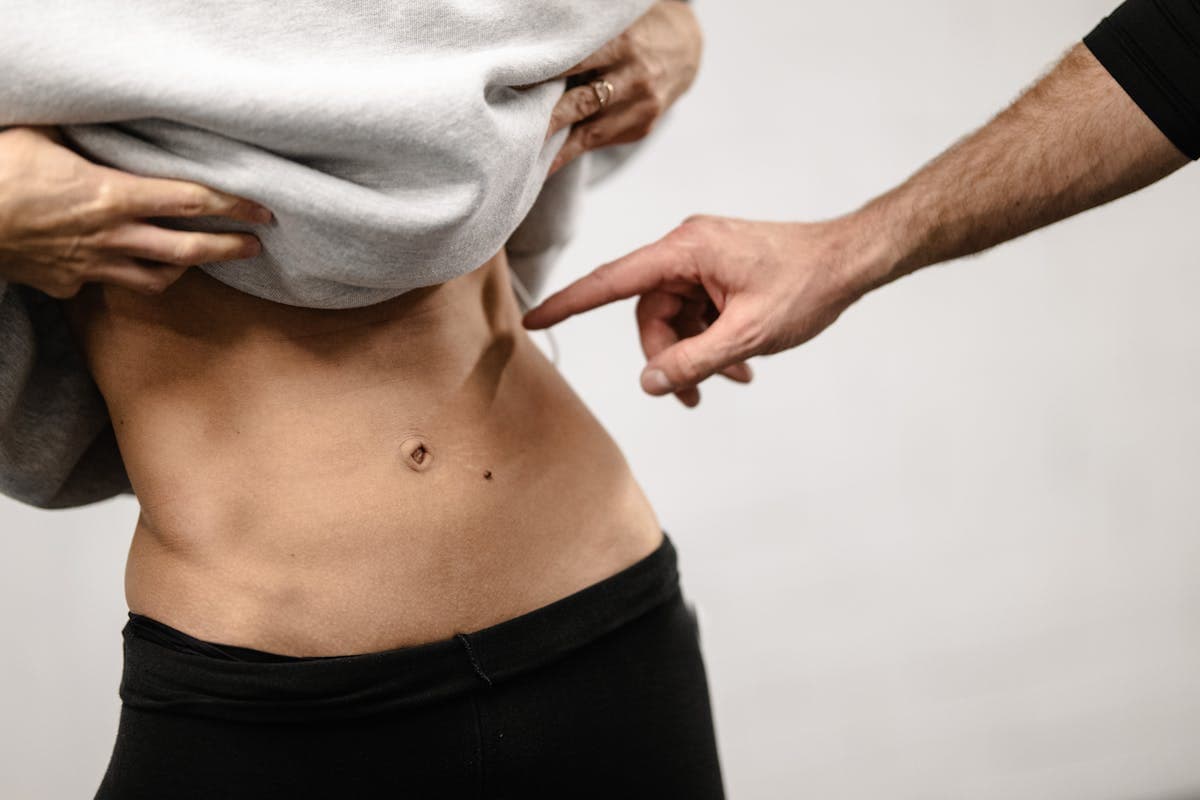
Subcutaneous injection sites for testosterone mirror those used for insulin and GLP-1 medications:
- Abdomen -- the area around (but at least two inches from) the navel, rotating through upper-left, upper-right, lower-left, and lower-right quadrants
- Outer thigh -- the front and outer area of the upper leg, alternating sides
- Upper arm -- the fatty area on the back of the upper arm, alternating sides
For twice-weekly SubQ injections, a solid rotation looks like this:
- Monday -- Left abdomen (upper quadrant)
- Thursday -- Right outer thigh
- Monday -- Right abdomen (lower quadrant)
- Thursday -- Left outer thigh
- Repeat
The key rule: keep each injection point at least one inch from the previous one, and don't return to the same spot for at least two weeks. Logging every site makes this automatic instead of something you have to think about.
IM Site Rotation
Intramuscular sites for TRT are the ones covered in detail in our TRT injection log and site rotation guide:
- Ventrogluteal -- the gold standard IM site, large muscle with few nerves
- Vastus lateralis -- outer thigh, easy to self-inject
- Deltoid -- upper arm, convenient but limited to smaller volumes
For twice-weekly IM injections:
- Monday -- Left ventrogluteal
- Thursday -- Right vastus lateralis
- Monday -- Right ventrogluteal
- Thursday -- Left vastus lateralis
- Repeat
For either method, the most common failure mode is the same: you stop tracking and default to your favorite site out of habit. Within a few months, you've built up scar tissue or a lump at that one spot, and you're wondering why injections have started hurting or why your levels seem inconsistent.
Site rotation isn't optional -- it's a core part of your injection protocol. The difference between people who have comfortable, problem-free injections after two years on TRT and those who don't almost always comes down to whether they tracked their rotation or relied on memory.
Tracking Both Methods with DoneDose
Whether you're doing SubQ, IM, or switching between the two, the tracking requirements are the same: you need to log every injection with the date, dose, volume, route, site, and side. And you need a rotation system that doesn't rely on your memory.
This is where paper logs and spreadsheets break down. A spreadsheet can record data, but it can't tell you which site is next in your rotation, warn you that you've hit the same spot twice in a row, or send a reminder when your next injection is due.
Done Dose handles all of this through a visual body map that tracks both SubQ and IM sites. When you log an injection, you tap the exact location on the body map. The app color-codes sites based on resting status -- green means enough recovery time, yellow means recently used, red means it was your last injection point. You just look at the map and pick the next green site.
For people who use both SubQ and IM -- perhaps SubQ for their split dose and IM when traveling -- Done Dose tracks each route separately so rotation histories don't get tangled. Tap once to confirm your injection, and the app records time, dose, site, and route. When it's time for bloodwork, you've got a clean history instead of guesswork.
If you're evaluating different apps for this, our best TRT tracker app comparison reviews several options side by side, and our best injection site rotation app guide focuses specifically on the body map and rotation features that matter most for long-term injection management.
Common Questions When Switching or Starting
"My doctor only knows IM -- how do I bring up SubQ?"
Bring published evidence to your appointment. The 2017 Translational Andrology and Urology comparison study is a good starting point. Frame it as a question: "I've been reading about subcutaneous testosterone delivery and the research looks promising. Would you be open to trying this with my protocol?" Most clinicians are receptive when patients come prepared.
"Can I use the same testosterone vial for SubQ that I use for IM?"
Yes. The medication itself is identical -- testosterone in an oil carrier. The only difference is the syringe and needle. Some patients draw with a larger needle (to pull oil faster) and swap to a smaller needle for the actual injection.
"I switched to SubQ and I'm getting lumps -- is that normal?"
Small, temporary lumps at SubQ sites are common, especially with volumes above 0.3 mL. They typically resolve within a few days. Try reducing per-injection volume by injecting more frequently, rotating more aggressively, and confirming you're injecting into fat rather than too shallowly into the dermis. If lumps persist beyond a week or become painful, check with your clinician.
"Do I need different bloodwork for SubQ vs IM?"
No. The monitoring labs are the same regardless of injection route. However, your provider may want to check levels sooner after a route switch to confirm absorption is on target. Time your labs consistently -- ideally at trough -- so results are comparable between draws.
Done Dose was built for people managing injection-based protocols like TRT. Log every SubQ and IM injection with one tap, track your site rotation on a visual body map, set smart reminders that match your dosing schedule, and bring a clean injection history to every clinician visit. Whether you're team SubQ, team IM, or somewhere in between, Done Dose keeps your protocol organized so you can focus on how you feel instead of what you forgot. Start tracking your injections at donedose.com