
How to Inject Zepbound: Pen and Vial Guide
How to inject Zepbound using either the single-dose pen or the single-dose vial and syringe: injection sites, step-by-step technique, dose schedule, and missed-dose rules.
Published 2026-05-28Updated 2026-05-2812 min read
By Ben — Builder of DoneDose, software engineer and peptide user
This page has not been clinically reviewed.
Educational content only. This guide is not medical advice and does not replace care from a licensed clinician. Always follow the Instructions for Use that come with your specific Zepbound pen or vial and your prescriber's directions.
On this page
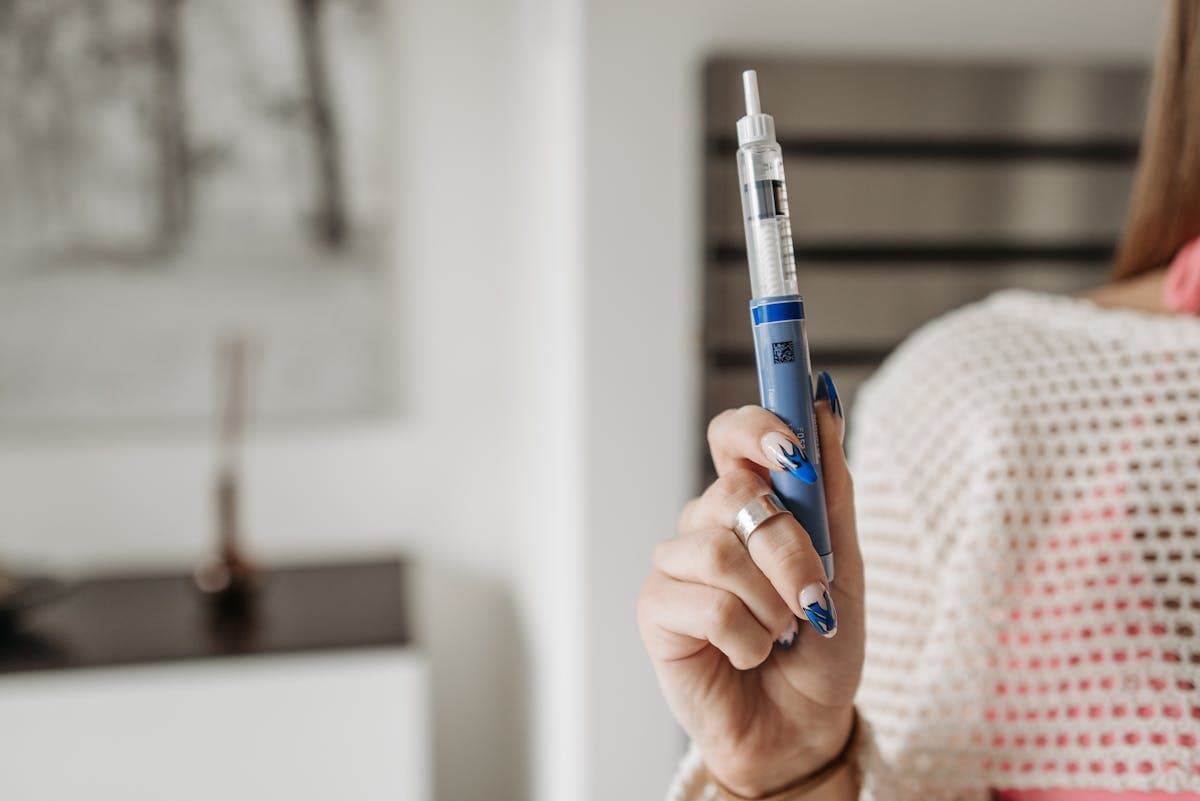
Zepbound is tirzepatide -- the same drug as Mounjaro -- prescribed for weight management. What makes Zepbound worth its own guide is that it comes in two different delivery formats: a single-dose auto-injector pen and a single-dose vial you draw up with a syringe. The pen is push-button simple; the vial has more steps but is often the cheaper self-pay route. This guide covers how to inject both, where to put the needle, the dose schedule, and the missed-dose rules.
Quick Reference
- Frequency: once weekly, same day each week, any time of day, with or without food.
- Two formats: single-dose pen (auto-injector) or single-dose vial (draw with a syringe).
- Sites: abdomen (2+ inches from navel), front of thigh, or back of upper arm.
- Dose range: 2.5 mg start → up to 15 mg max, increasing no faster than every 4 weeks.
- Storage: refrigerate; both formats are single-use and discarded after one dose.
Pen vs Vial: Which Do You Have?
Both deliver tirzepatide once weekly. The difference is the device and the workflow.
| Single-dose pen | Single-dose vial | |
|---|---|---|
| What it is | Prefilled auto-injector | Glass vial of liquid |
| Drawing up | None -- preset dose | You draw the dose into a syringe |
| Steps | Fewer | More |
| Needle | Built in, hidden | Separate syringe + needle |
| Cost angle | Standard | Often the lower self-pay price |
| Dose strengths | Full range | Typically lower strengths |
If you were handed prefilled pens, follow the pen instructions below. If you got vials and a box of syringes, follow the vial instructions. Either way, read the Instructions for Use in your specific box -- the details vary by format and version.
Step-by-Step: The Zepbound Pen
The pen is the simpler of the two. The general flow:
- Wash your hands and take the pen out of the fridge. Confirm the name and dose on the label, and look at the liquid through the window -- it should be clear and colorless. Don't use it if cloudy or discolored.
- Choose and clean a site (abdomen, thigh, or upper arm) with an alcohol swab; let it dry.
- Unlock and uncap the pen per its instructions. Don't recap.
- Press the flat clear base firmly against your skin at 90 degrees. The firm press is what enables the injection.
- Press and hold the injection button. You'll hear a first click as it starts.
- Keep holding against the skin until the second click and the inspection window shows the dose is delivered -- about several seconds. Don't lift early.
- Lift straight off. The needle shield locks automatically.
- Discard the whole pen in a sharps container.
Step-by-Step: The Zepbound Vial
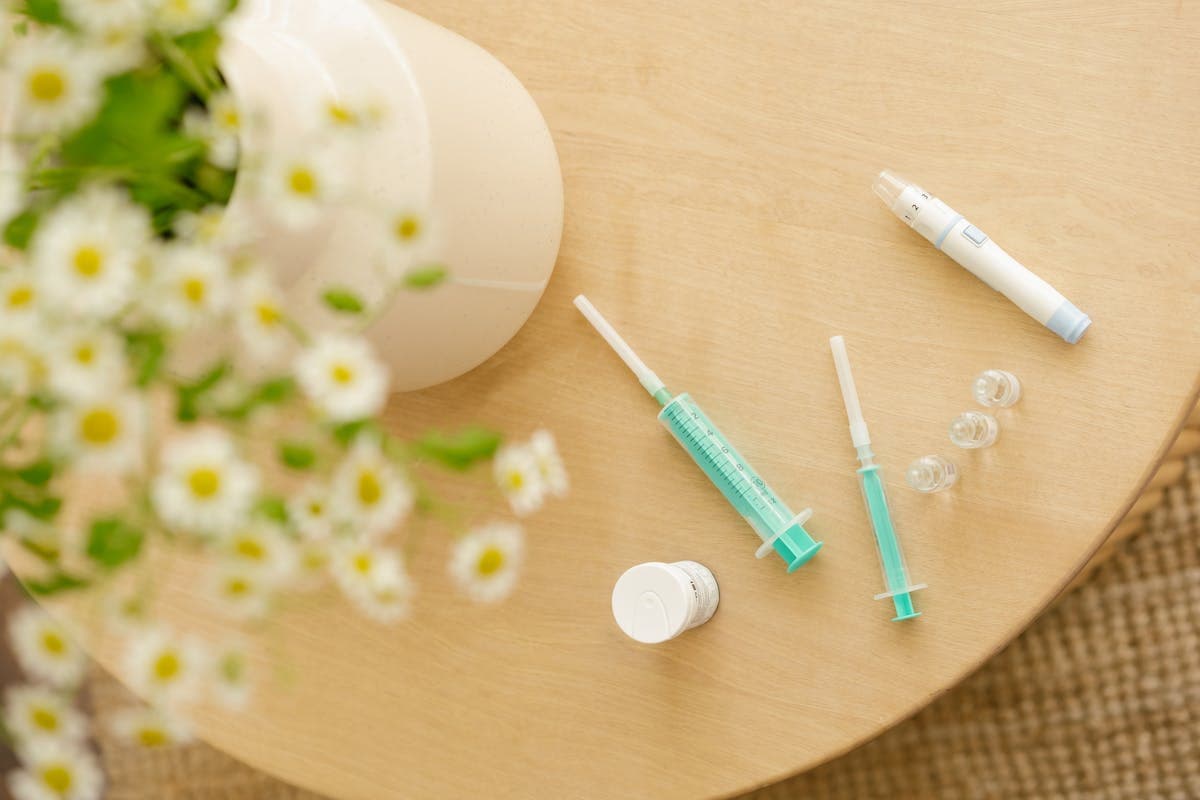
The vial takes more steps because you draw the dose yourself. You'll use the syringes your prescriber or pharmacy provides, matched to the dose.
- Wash your hands and gather the vial, a new syringe, alcohol swabs, and a sharps container. Inspect the vial liquid -- clear and colorless only.
- Swab the vial stopper with alcohol and let it dry.
- Draw air into the syringe equal to your dose volume, then insert the needle into the vial and push the air in. This equalizes pressure so the liquid draws smoothly.
- Invert the vial, keep the needle tip in the liquid, and draw your prescribed dose. Draw slightly past, then nudge the plunger to expel air bubbles and land exactly on your dose line.
- Withdraw the needle from the vial.
- Choose and clean your injection site; swab and let dry.
- Pinch a fold of skin, insert the needle at 90 degrees (45 degrees if you're very lean), and push the plunger slowly to deliver the full dose.
- Withdraw, release the pinch, and apply light pressure -- don't rub. Discard the syringe in a sharps container.
The draw-up step is the same fundamental skill used across vial-based injectables; if you also do TRT or peptides, it'll feel familiar.
Where to Inject Zepbound
Zepbound is subcutaneous -- into the fat layer just beneath the skin. Three regions:
- Abdomen -- most common; stay 2+ inches clear of the navel.
- Front of the thigh -- convenient for self-injection while seated.
- Back of the upper arm -- easiest with a helper.
Rotate every week. Move to a different spot, even within the same region, so you don't overwork one patch of skin. Repeated injections in the same place cause irritation and, over time, lipohypertrophy -- thickened tissue that absorbs unpredictably. The GLP-1 injection site rotation guide lays out a full rotation pattern that applies to tirzepatide just as it does to semaglutide.
The Zepbound Dose Schedule
Tirzepatide is titrated up slowly to manage gastrointestinal side effects. The standard escalation:
| Weeks | Weekly Dose |
|---|---|
| Weeks 1-4 | 2.5 mg (starting dose) |
| Weeks 5-8 | 5 mg |
| Then, if needed | Increase by 2.5 mg no sooner than every 4 weeks |
| Maximum | 15 mg |
The 2.5 mg starting dose is a ramp-up dose, not a treatment dose -- it exists to ease your gut onto the drug. The maintenance doses are 5 mg, 10 mg, or 15 mg, and your prescriber picks the level based on how well it's working and how you tolerate it. There's no requirement to climb to 15 mg; the best dose is the lowest one that controls appetite without rough side effects. For how tirzepatide's dual GIP/GLP-1 mechanism works and the SURMOUNT trial results, see the tirzepatide guide, and the Mounjaro dosage guide covers the same molecule's diabetes-labeled dosing.
Timing and Missed Doses
- Same day each week, any time of day, with or without food.
- You can change your weekly day as long as it's been at least 3 days (72 hours) since your last dose.
If you miss a dose:
- Next dose is 4+ days away (96+ hours): inject the missed dose as soon as you can.
- Next dose is less than 4 days away: skip it and resume on your normal day.
- Never take two doses within 3 days of each other.
- Missed several weeks? Call your prescriber -- you may need to step back down and re-titrate.
Your First Zepbound Injection: What to Expect
The nerves are normal, and which format you have changes the experience a little:
- With the pen, you won't see or handle a needle -- you press the flat base to your skin and listen for the clicks. It's the more beginner-friendly option.
- With the vial, the draw-up step is the part that feels unfamiliar at first. Practice the air-in, invert, draw, and bubble-clear sequence slowly the first few times. Drawing up gets fast and routine within a couple of weeks.
- A small drop of blood or a tiny bruise afterward is normal. Press lightly; don't rub.
- Mild stinging during the injection passes in seconds and is reduced by letting the medication reach room temperature first.
If you're using the pen and don't hear the clicks, or you're unsure the dose went in, stop and call your pharmacist rather than re-dosing.
Traveling With Zepbound
Both formats need refrigeration, so plan transport carefully:
- Use an insulated bag with a cold pack, but keep pens or vials from touching the cold pack directly -- anything frozen must be discarded.
- Carry it on, never in checked luggage.
- If you use vials, pack enough syringes (plus a few extras) and a travel sharps container or a hard-sided disposal option.
- Keep everything in the original carton with the prescription label, and bring more than you think you'll need in case of delays.
Storage
- Refrigerate unused pens and vials at 36-46°F (2-8°C). Don't freeze; discard anything that has frozen.
- Limited room-temperature window before use -- check your specific product's label for the exact allowance.
- Keep in the original carton to protect from light, and never use past the expiration date.
Side Effects and What to Track
Zepbound's common side effects are gastrointestinal -- nausea, diarrhea, constipation, vomiting -- and they spike most around dose increases, then settle. Logging symptoms against your dose changes is what tells you and your prescriber whether to advance, hold, or back off; the GLP-1 side effects tracker guide covers what to record and when a symptom warrants a call.
Worth tracking every week:
- Injection date, site, and format (pen or vial) -- so rotation actually rotates.
- Current dose -- easy to lose track of across a multi-step titration.
- Side effects -- severity and timing relative to dose changes.
- Weight and measurements -- the result you're tracking toward.
DoneDose logs each of these in one tap and shows a visual body map for rotation, so whether you're pressing a pen or drawing from a vial, the record is consistent and ready for your next appointment. See the best GLP-1 tracker app guide for how the options stack up.
Zepbound's two formats look different but land in the same place: a once-weekly subcutaneous injection into a rotated site. If you have the pen, it's press-and-hold. If you have the vial, it's draw-then-inject. Pick a consistent weekly day, rotate every time, follow the slow titration, and keep a log -- and the device, whichever one you've got, becomes routine within a couple of weeks.